Amendments calling for the frozen personal allowance to be raised to £15,000 and the higher-rate threshold to £56,000 were rejected as MPs voted through the Finance Bill in the Commons. The bill, which enshrines tax measures from the 28 October Budget into law, passed despite concerns over tax thresholds frozen since 2021.
The personal allowance stands at £12,570, meaning anyone earning above that pays 20% tax on the excess. Chancellor John Healey confirmed in his October Budget that the freeze would last until 2031, drawing more earners into income tax or pushing them into higher brackets as wages rise. According to the latest HMRC figures, there are 31.4 million basic-rate taxpayers in the country, including many of the lowest earners.
Debate over the Finance Bill
During the debate, Independent MP Shockat Adam said: “The Chancellor closed his Budget by promising two things: breathing space now, and fresh hope for the future. The first thing that households feel is that the Bill extends the freeze on income tax thresholds, leaving the personal allowance at £12,570. Had it kept pace with inflation, it would be around £16,000. The OBR tells us that the freeze is equivalent to adding 4p to the basic rate, and that it will take £29.3 billion a year from workers and pensioners by 2027-28.”
He added: “This is not breathing space; it is a tax rise in everything but name, and it falls hardest on the nurses, bus drivers and shopkeepers in our constituencies, whose wages rise just enough to pull them into paying even more. Disposable incomes are set to fall by £1,050 over three years.”
Treasury under pressure
At last week’s Treasury Committee session, Liberal Democrat MP Bobby Dean pressed the Chancellor on the freeze. Dean said: “The OBR noted that the freeze on tax thresholds is having the biggest impact on people’s disposable income and therefore on their living standards. You said that you did not want to raise taxes, but over the course of this Parliament that threshold freeze is the equivalent of putting about 2% onto income tax.”
Dean continued: “If you were to take the decision to raise income tax by 2%, you would be expected to explain that at the Dispatch Box, but freezing the thresholds was not mentioned at all in your Budget speech. Do you think it is fair on the public for them to see an effective tax rise without it being explained or justified?”
Bill passes with government backing
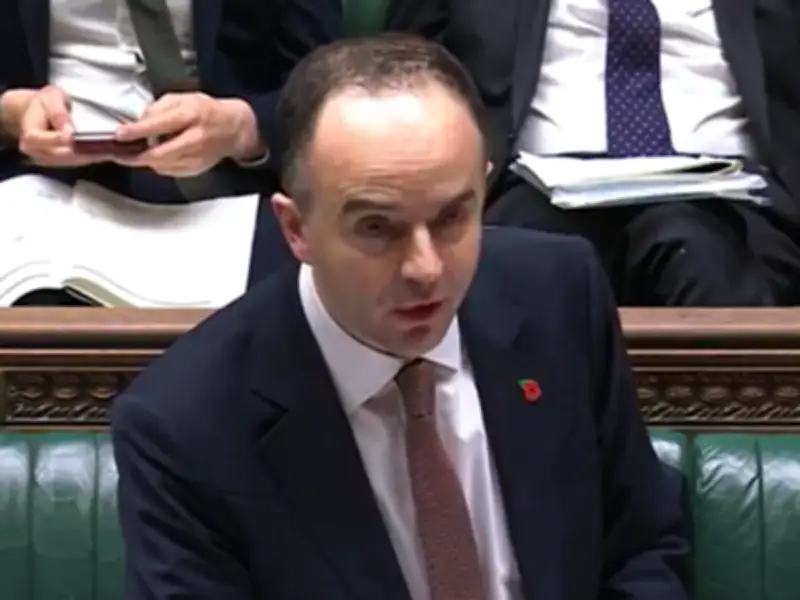
Financial Secretary to the Treasury and Paymaster General James Murray defended the bill, saying: “This is a Finance Bill that has fiscal responsibility at its heart. It underpins our plan to give breathing space to businesses and families now, set the conditions for good growth in every postcode and take on the big challenges that have faced our country for so long yet gone unresolved. We will be bold because that is what the challenges we face demand, and we will be responsible because that is what the people we serve need and deserve.”
Research by AJ Bell indicated that had the threshold kept pace with inflation, it would stand at roughly £16,072 next year and £17,380 by 2029-30. The bill now proceeds, having passed the Commons.