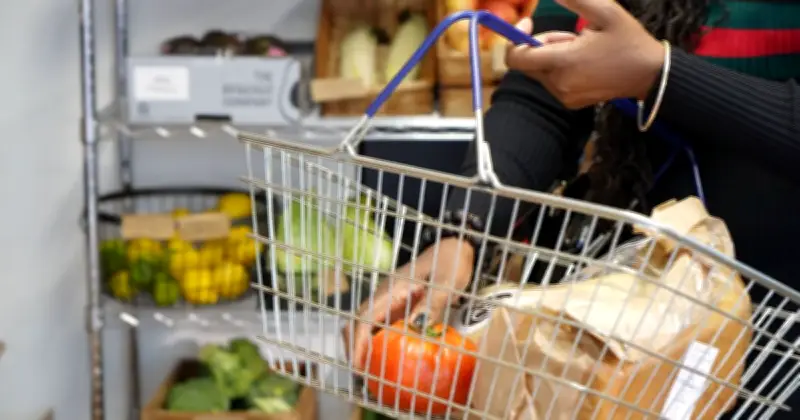
The Government has launched a new "Be Ready" campaign encouraging UK households to prepare for potential disruptions to everyday services, including cyber attacks and other emergency situations. As part of the initiative, people across the UK are advised to keep a three-day supply of essentials at home, such as cash, bottled water and non-perishable food, to help them cope during crises.
A government website has also been set up with a downloadable emergency kit checklist. The guidance comes as a group of peers warned that Britain is "seriously underprepared" for emergencies.
Lords committee warns of 'dangerously exposed' supply chains
On Monday, the Lords National Resilience Committee published a report stating that limited stockpiles of food and medicine are leaving the country "dangerously exposed" to disruption in global supply chains. The peers cautioned that limited reserves of these essential supplies leave the UK vulnerable to such disruptions.
The committee warned that the UK must move more quickly to strengthen its resilience against modern threats, arguing that risks are increasingly interconnected and can rapidly amplify one another.
Government urged to be more open about risks
While welcoming the Government's new "Be Ready" campaign, the committee said ministers and officials should go further by being more open with the public about potential risks. It urged policymakers to build public trust by sharing as much information as possible about the challenges the country could face, while balancing national security considerations.
The Government is now urging households to prepare an emergency supply kit containing essential items to keep them going for up to three days in the event of a temporary crisis, such as a power outage or water supply disruption.
Defence Secretary unveils revised guidance
Defence Secretary Wes Streeting has unveiled revised guidance covering potential emergencies including floods and wildfires. He previously called for a "whole society approach" to improving the UK's resilience, while stressing that the public should remain "alert not alarmed" about possible threats.
The recommended list of items includes bottled water, non-perishable food, hand sanitiser, wet wipes, a torch and spare batteries, blankets, sleeping bags and warm clothing, a portable power bank, a battery or wind-up radio, a first aid kit, baby supplies such as nappies and baby formula, and money and documents.