
Ministers have given four different justifications for the delay in responding to MPs' parliamentary questions on a foie gras import ban since August 2024, an analysis by Animal Equality UK has found.
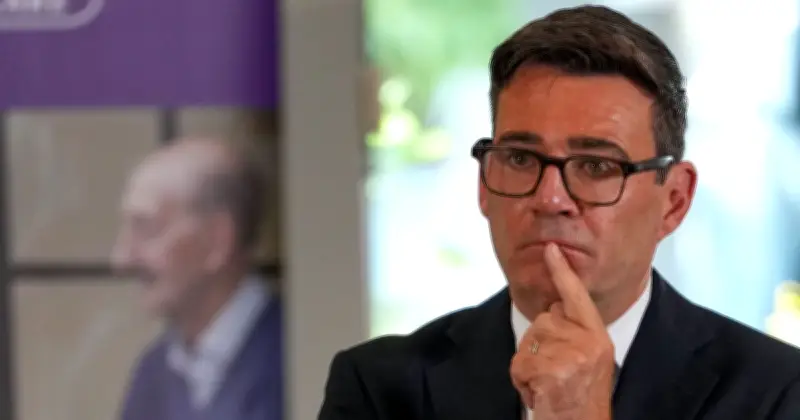
Andy Burnham is under pressure to confirm that Labour will meet its manifesto pledge, as campaigners question whether the party ever planned to halt foie gras imports amid concerns EU trade deals could scupper the ban.
Abigail Penny, executive director of Animal Equality UK, said: "It's been delay after delay with this ban – always another condition, another excuse. These animals don't care about trade deals and strategies – they care about a Government that keeps its word. With the goalposts constantly shifting, it's necessary to question whether ministers actually intend to follow through at all."
Timeline of delays
According to Animal Equality UK, ministers have repeatedly changed their reasoning when asked about the ban:
- August 2024: ministers said a ban would be considered as part of an upcoming animal welfare strategy.
- February 2025: the reasoning had moved to the Government's trade strategy.
- Three months later: the UK–EU Sanitary and Phytosanitary (SPS) Agreement was still under negotiation.
- October last year: the environment department said it was "continuing to consider the evidence and options".
- April 2026: when an MP asked directly whether the ban had been made conditional on the outcome of the SPS negotiations, the Government confirmed that it had and that it could not comment further while talks were ongoing.
Government confirms ban tied to SPS talks
Responding to a question from Green MP Adrian Ramsey, then environment minister Dame Angela Eagle said: "The UK and EU have agreed to work towards an SPS Agreement. Negotiations with the EU on the SPS Agreement are under way, and Defra cannot comment on these discussions while they are ongoing. However, this Government is clear about the importance of being able to set high animal welfare standards."
Producing foie gras is illegal in the UK, but importing and selling it remains legal.
Ms Penny added: "Foie gras is made by force-feeding terrified ducks and geese until their livers are diseased. It's been illegal to produce in the UK for two decades, and the public has made it clear that they don't want it imported either. This continued dithering is directly responsible for animals living and dying in one of the most violent ways imaginable. The Government must prove that it means what it says and get this over the line, or risk seriously disillusioning the public. If any politician thinks empty promises get a free pass, they are sorely underestimating the strength of feeling across the UK when it comes to securing justice for animals."
Government response
A Government spokesman said: "The UK is proud to have some of the highest animal welfare standards in the world, and for the last two decades foie gras production using force feeding has been banned. Negotiations on our new UK/EU agri-food and drink deal are ongoing and we are not providing a running commentary on talks."




