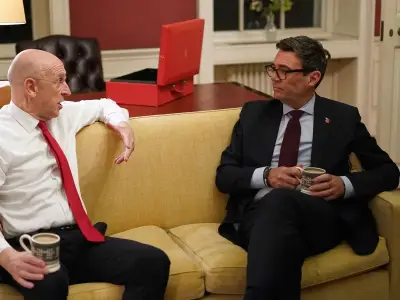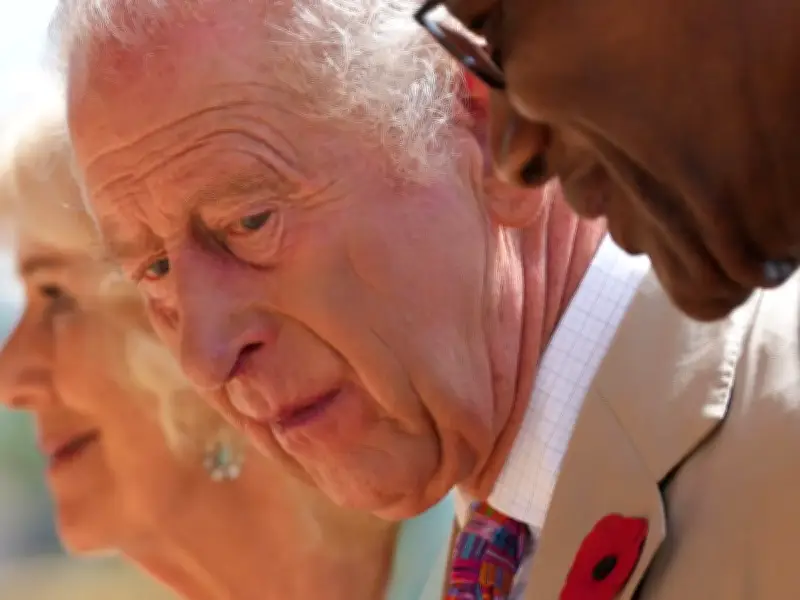
Andy Burnham has said he is open to a formal apology for the slave trade on behalf of the British state, a move that leaves King Charles and Buckingham Palace in a deeply uncomfortable position as the monarch prepares to address Commonwealth leaders.
The Labour leader's intervention came as the King landed in Antigua, with little warning and what appears to be a great lack of collaboration between Downing Street and Buckingham Palace. Burnham also offered Caribbean nations a structured dialogue on the issue, saying what no prime minister or monarch had done before.
Monarch's careful balancing act
For the last week, King Charles has walked a delicate tightrope across the Caribbean. Buckingham Palace had prematurely lauded his endeavours as a "diplomatic success", despite demands for an apology over slavery and growing calls for reparations.
Even before the King set foot in The Bahamas last Tuesday, the official line was that he would not shy away from acknowledging Britain's dark past, but would not deviate from previous statements of sorrow and regret. Those calls for an apology from the monarch would go unanswered.
In Nassau, Charles spoke of the "great suffering of the past". In Georgetown, Guyana, he bowed his head at Independence Park, where 33 enslaved people were executed after the Demerara uprising of 1823. At every turn, he has chosen his words with care.
Shift in government position
The King acts on the advice of his ministers, and on slavery that advice has been that sorrow and regret are permitted, but an apology is not. Now those same ministers appear to be edging towards the very word he has been unable to say.
The Palace insists it was informed in a timely manner and that not a word of the King's speech to Commonwealth leaders due on Tuesday has changed. Aides promise he will speak with "unflinching honesty" and "sincere sorrow".
But sorrow, however sincere, now sounds very different. For years the King could point to his ministers and say the matter was out of his hands.
Pressure from all sides
There is a precedent. In the Netherlands, the Prime Minister apologised for his country's role in slavery in 2022. Months later, King Willem-Alexander followed, telling his people that "as your king and as a member of the government, I make this apology myself".
Pressure is coming from every direction. In The Bahamas, where Charles remains head of state, Prime Minister Philip Davis declared he was "open" to losing the King, and that Britain must "appreciate the weight of that history". In Guyana, President Irfaan Ali has called an apology the next step. Campaigners have promised widespread protests in Antigua.
At home, Tory leader Kemi Badenoch has dismissed the whole debate as a "navel-gazing distraction", ensuring any royal step towards an apology would be dragged into a party political row. The King cannot move without his government, yet he cannot be seen to lag behind it. When Charles rises to open the Commonwealth summit, every word will be weighed against what his Prime Minister has said and what he himself still cannot.