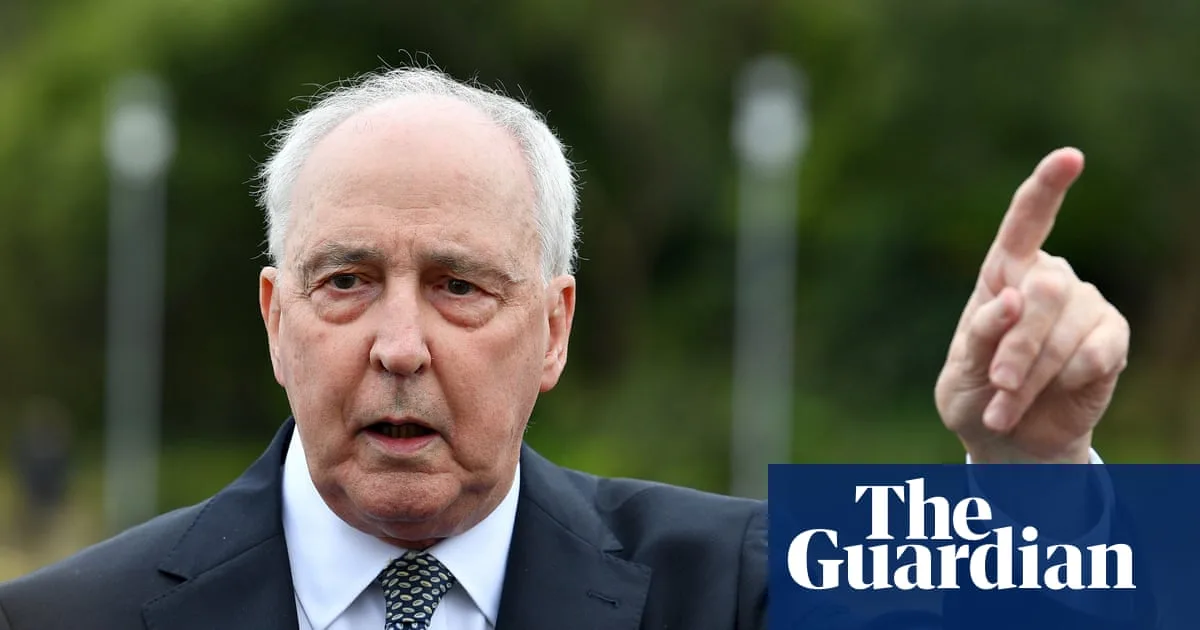
Former Australian Prime Minister Paul Keating has called on the Albanese government to resist pressure to exempt commercial assets from its planned capital gains tax (CGT) overhaul, warning that such exemptions would further distort the economy. In an exclusive interview, Keating said the changes were 'so marginal that no entrepreneurial initiative is likely to be thwarted.'
The government's proposal, announced in the federal budget, would replace the current 50% CGT discount with an inflation-based indexation model. Small business and startup groups have fiercely opposed the reforms, arguing they would discourage investment and risk-taking. Keating, however, argued that the existing system, in place since 1999, had diverted financial resources into housing at the expense of productive investment, damaging productivity.
Keating stressed that correcting the balance between capital and labour taxation should remain the overriding policy objective. Treasurer Jim Chalmers echoed this view, warning that the Howard government's changes had overcompensated investment in established housing while under-compensating other forms of investment. 'We didn't think it made a lot of sense to replace one big distortion with another kind of distortion,' Chalmers said.
Opposition to the reforms has been led by Lachlan Harris, a former adviser to Kevin Rudd and co-founder of Budgy Smuggler. Harris has lobbied government ministers and called on entrepreneurs to speak out, saying the reforms are 'bad for every young kid who has a dream of starting a business.' He has been supported by Assistant Minister Andrew Charlton, one of the few Labor frontbenchers to voice concerns.
The legislation, which also includes changes to negative gearing and a new tax offset for workers, is expected to be introduced to parliament on Thursday. Labor aims to pass it before the winter break in July, but the Coalition has pushed back, insisting the changes do not start until July 2027. Shadow Treasurer Tim Wilson said the Coalition would use 'maximum leverage' to scrutinise the plans, potentially linking them to spending cuts on the National Disability Insurance Scheme.