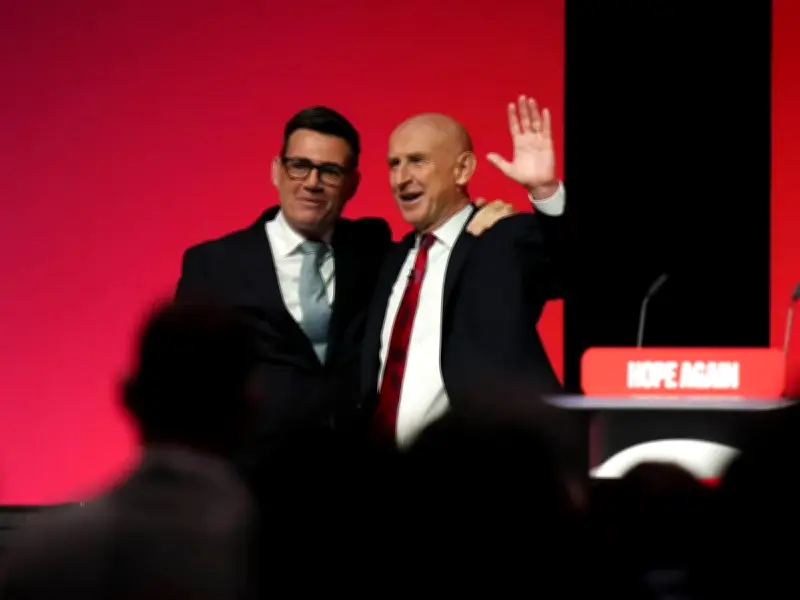
John Healey is set to deliver his first Budget as Chancellor on Wednesday, October 28, against a difficult domestic economic backdrop worsened by international market turmoil from the Iran war. The new Chancellor is seeking ways to raise revenue and keep the UK's budget deficit under control amid soaring government borrowing costs.
Unlike the wild speculation that has marked recent Budgets, the run-up to Mr Healey's first fiscal event has been notably private, with the Chancellor said to have introduced security procedures from the Ministry of Defence to prevent leaks.
Reduced fiscal headroom
Mr Healey is likely to have reduced fiscal headroom at this year's Budget because of increased government borrowing costs resulting from the Iran war. Fiscal headroom is the buffer the Government has above its self-imposed spending rules, which require spending to be balanced or heading towards a surplus by 2029/30 and public debt to fall as a share of the economy in the same year.
Former chancellor Rachel Reeves raised taxes at last year's Budget to double the headroom to £22 billion. The narrower headroom could dampen lender and investor confidence in the UK and reduce the Government's ability to absorb a sudden economic shock.
However, the Institute for Fiscal Studies think tank has said the Chancellor should be more worried about spending pressures than headroom, as inflation erodes the value of government departments' cash budgets, forcing them to meet commitments with less money unless budgets are increased.
Support for households and businesses
Mr Healey will use the Budget to account for commitments made since Andy Burnham came to power, including cutting VAT on energy bills this winter and slashing business rates for pubs, clubs and live music venues. Both he and the Prime Minister have spoken about giving the public and businesses "breathing space", hinting at further financial help.
The Chancellor also plans to cut "form-filling and pointless paperwork", with Treasury estimates suggesting this could save small businesses up to £800 million. This includes streamlining business reporting requirements and cutting bureaucracy around home-buying chains.
Tax decisions and defence funding
Mr Healey has ruled out hiking capital gains tax, despite calls from Defence Secretary Wes Streeting and First Secretary of State Louise Haigh, after warnings it could cost the Government money if wealthy people leave or defer selling assets. However, he is reportedly considering raising the surcharge on bank profits from 3% to 8%, reversing a cut by former chancellor Jeremy Hunt.
The Trades Union Congress said the bank tax hike would raise £2.25 billion a year, while City representatives claim it will stifle investment. The Chancellor has also promised to fill a £4.7 billion black hole in Britain's defence investment plan, which promised an extra £15 billion of funding, raising defence spending to 2.7% of GDP by 2027, with £10.3 billion already funded.
Mr Healey is not expected to lay out further military investment plans at the Budget, but will wait until next year to address increasing defence spending to 3.5% of GDP by 2035, as per Britain's Nato promise. When he resigned as defence secretary, he suggested it was crucial to reach 3% of GDP by 2030 to put the country on a war footing.