
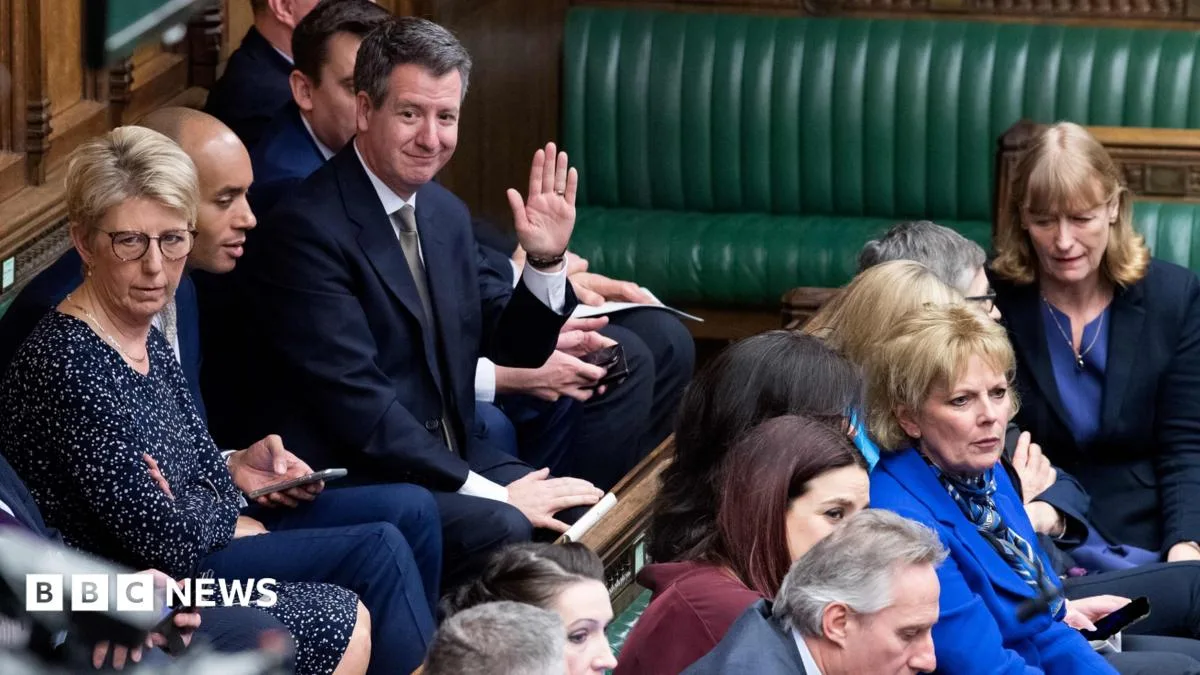
The formation of a new centrist group in Parliament has sparked debate over whether British politics is experiencing a minor tremor or a full-blown political earthquake. The addition of three Conservative MPs to the eight Labour defectors has raised questions about the stability of the current political landscape.
Momentum, the left-wing Labour group, has denounced the new bloc as neo-liberal Blairites and Tories. However, few self-described centrists have joined so far, partly due to Brexit, which defecting Labour MP Chris Leslie cited as the primary reason for the breakaway. Senior members of the People's Vote campaign had urged delay until after Brexit was settled to avoid suspicion among pro-EU Labour members.
The centrist faction in Parliament is divided into two groups: those prioritising stopping Jeremy Corbyn, and those focused on preventing a Conservative government. The success of the breakaway may depend on how many shift from the latter to the former. The sight of former Labour MP Ann Coffey chatting with former Conservative Sarah Wollaston could make it harder to attract further Labour support.
Former Scottish Labour leader Jim Murphy recalled a voter who said he would not back the BNP because it would let the Tories in, highlighting the dilemma for disaffected Labour voters. Meanwhile, Conservative defections have allowed some left-wingers to label the new group as 'red Tories'. Labour leadership is debating whether to call another confidence vote, hoping the new group votes with the government and is seen as actual Tories.
There are divisions on how to handle the defections: some favour conciliation, while others want to step up deselection of Corbyn critics. Labour expects a total of a dozen defectors. The impact on voters varies regionally, with the group seen as refreshing in some areas and toxic in others.




