Hungary's New Prime Minister Declares Intent to Shut Down State Broadcaster in Fiery First Interview
In a dramatic and unprecedented move, Hungary's incoming prime minister, Peter Magyar, has vowed to shut down the country's state media news channels upon taking power. During a series of extraordinary interviews following his landslide election victory, Magyar described the broadcaster as a "factory of lies" and part of outgoing Prime Minister Viktor Orban's propaganda apparatus.
Landslide Election Victory Ends Orban's 16-Year Tenure
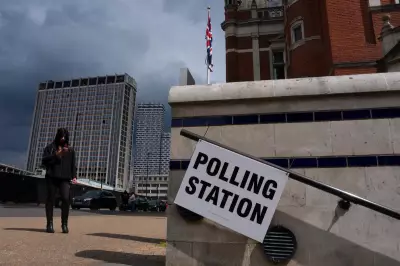
Peter Magyar, leader of the opposition Tisza Party, secured a critical election win against nationalist Prime Minister Viktor Orban on Sunday, marking the end of a 16-year tenure. Orban's government had maintained strict control over state media channels as a cornerstone of his so-called "illiberal democracy" model. Magyar's victory represents a significant shift in Hungarian politics, with his party poised to implement sweeping reforms.
Magyar's Scathing Critique of State Media
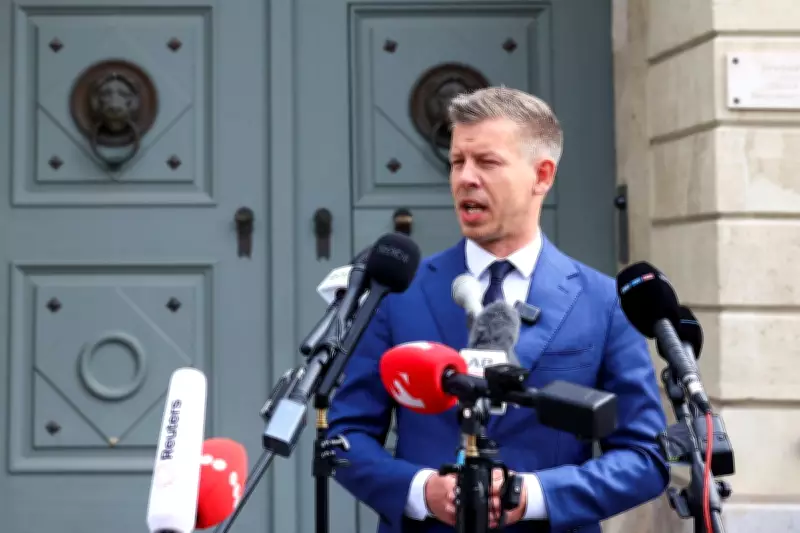
In tense interviews conducted on pro-Orban channels—platforms that had excluded him during the election campaign—Magyar launched a blistering attack on what he termed a "propaganda machine." He accused the state media of spreading falsehoods and drew stark comparisons to the media environments of North Korea and Nazi Germany. "Every Hungarian deserves a public service media that broadcasts the truth," Magyar asserted during an interview on Kossuth state radio.

He outlined his government's plans to introduce new legislation and establish a fresh media regulator, aiming to transform state media into an entity that "actually does what it is meant to do." On TV channel M1, Magyar highlighted the irony of his appearance, noting, "The last time I was invited on public media was more than a year and a half ago. It took an unprecedented mandate from over 3.3 million Hungarians for the leader of the strongest party to finally be allowed back on air."
Immediate Actions and Long-Term Vision
Magyar declared that his administration would "immediately suspend this lying news service" and, upon forming the government, prioritize shutting down what he called the "factory of lies." In its place, he pledged to build a "real, independent public broadcaster—one where the opposition finally has a voice too." This commitment signals a radical departure from the media landscape under Orban, which critics have long condemned for its lack of impartiality and suppression of dissenting voices.
Escalating Tensions with Political Establishment
These media critiques are merely the latest in a series of confrontational moves by Magyar. On Wednesday, just moments after being asked to form a government, he intensified pressure on Hungary's president, Dr. Tamas Sulyok, to resign. Magyar shared a photograph of himself alongside President Sulyok, depicting a tense standoff with crossed hands in front of Hungarian and European Union flags.
In a social media post tagging the president—an ally of Viktor Orban—Magyar accused Sulyok of being "unworthy of representing the unity of the Hungarian nation," "unfit to serve as the guardian of legality," and "not fit to serve as a moral authority or a role model." This bold stance underscores Magyar's determination to challenge the existing political status quo and implement transformative changes across Hungarian institutions.
The incoming prime minister's uncompromising approach has set the stage for a period of significant upheaval in Hungary, as he seeks to dismantle structures associated with Orban's era and foster a more transparent and democratic media environment.