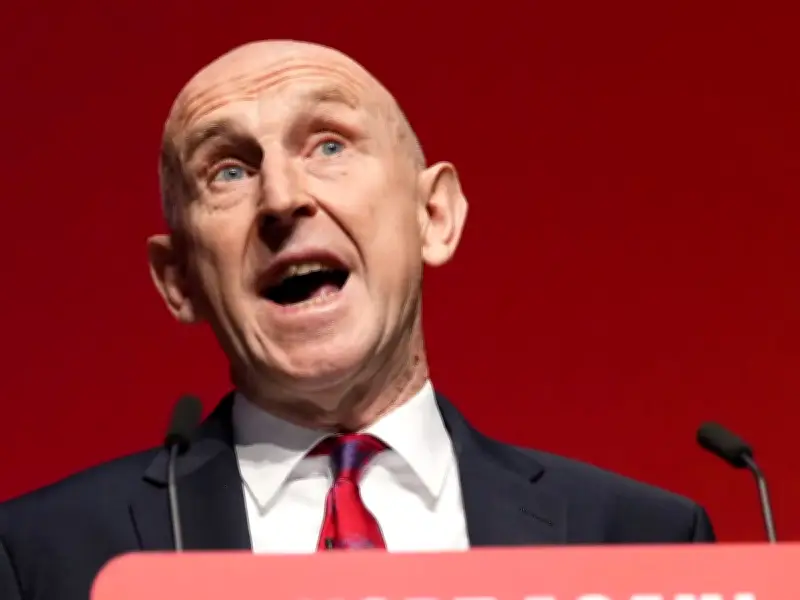
Chancellor John Healey has rejected calls to announce a rise in capital gains tax in next week's Budget, following warnings that the move could hamper economic growth and end up costing the Government money.
Healey will deliver his first Budget as Chancellor on October 28. Ahead of the Autumn Budget, the new Chancellor is seeking ways to raise revenue and keep the UK's budget deficit under control in the face of soaring government borrowing costs.
Pressure from Labour voices
Several prominent Labour figures have called in recent months for a rise in capital gains tax, which applies to the profit made from selling off assets like a house or shares. Cabinet ministers Wes Streeting and Louise Haigh both spoke of raising the tax over the summer before Andy Burnham became Prime Minister.
However, Healey has now ruled out the move after warnings it could end up costing the Government money if wealthy people leave the country or defer selling off assets, according to the Times.
Warnings from business figures
Lord O'Neill of Gately, who has advised Burnham and worked on the Northern Powerhouse project, told the newspaper that "raising capital gains tax would send very much the wrong message to business".
The biggest revenue-raising measure set to be in the Budget is an increase in the rate banks pay on their profits, widely reported across the media last week. The move is expected to fund cost-of-living support for households and businesses.
Chancellor acknowledges tough position
The Chancellor has acknowledged that Britain finds itself in a "tough" position ahead of the Budget, and is reported to be downplaying the prospect of major revenue-raising measures in his October 28 statement.
Conservative leader Kemi Badenoch is meanwhile due to warn the Government to slash its spending plans and reduce its borrowing at the Budget. In a speech on Tuesday, she will urge Burnham and his Chancellor to "live within our means", and signpost the Tories' package worth £70bn of cuts to spending – including to welfare and the Civil Service headcount – as a place to start.
Public opinion ahead of Budget
Pre-Budget polling by Ipsos has revealed that the majority of the public have a mixed opinion of the Chancellor, as 67 per cent of them believe he is doing neither a good nor bad job. The survey of 1,077 Britons carried out between October 9 and 12 also found that 65% of the public is expecting some form of tax rise at the Budget.