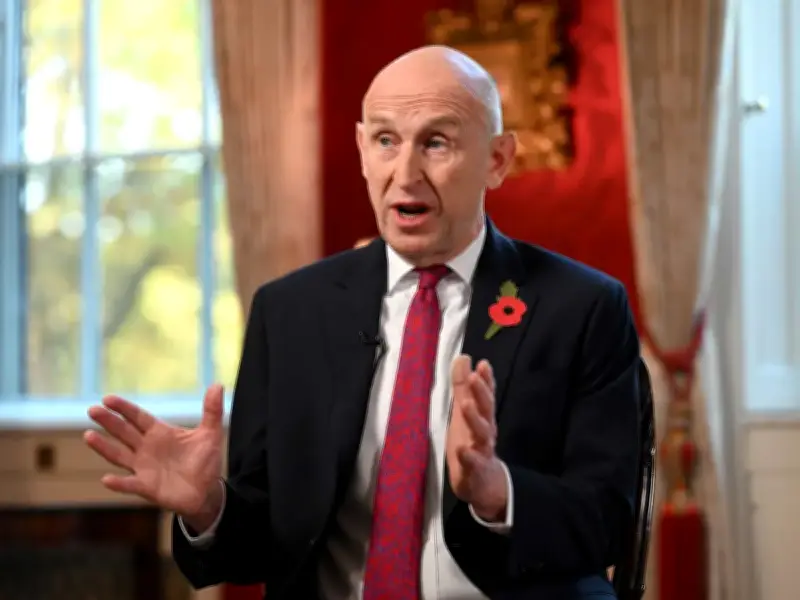
Chancellor John Healey has rejected calls for slavery reparations, saying British taxpayers should not be liable for the transatlantic slave trade “in which they had no role”. His comments come as a row over the issue threatens to overshadow King Charles's Caribbean tour and the Commonwealth Heads of Government Meeting (CHOGM) in Antigua this week.
Mr Healey said discussions of an apology from the UK for its role in the transatlantic trade in enslaved people did not mean taxpayers should be left on the hook centuries later. The debate follows Prime Minister Andy Burnham's openness to a formal apology for slavery, a stance that has already dominated the King's tour of the Caribbean ahead of the summit.
Chancellor's Stance on Reparations
Speaking on the BBC's Sunday With Laura Kuenssberg programme, Mr Healey said: “The Prime Minister has said, look, we are open to a discussion about an apology. He feels that that’s the right thing, particularly ahead of the Commonwealth leaders’ conference.”
“But he doesn’t believe that reparations are the right approach, and considering a formal apology doesn’t mean accepting that British people now should accept the financial liability for any part in things that happened hundreds of years ago, in which they had no role,” the Chancellor added.
Prime Minister's Position
Mr Burnham broke with the Government's longstanding position this weekend to say he is open to discussions on the UK formally apologising for its role in the transatlantic slave trade. He described the sale of enslaved Africans to the Americas as a “brutal and barbaric violation” and said Britain must “face up to the past”.
Going further than his predecessors, Mr Burnham said: “Having these difficult conversations to safeguard the Commonwealth for the future is the right thing to do. It is also the patriotic thing to do.”
“Not just because it is in our interests, but because the Britain I believe in is confident, decent and brave. We led the world in abolishing slavery – and we can show leadership again today,” he said, adding: “So we are offering a structured dialogue with those affected by the transatlantic slave trade. Listening to calls for a formal apology on behalf of the British state will form an important part of this process, and I am open to them.”
But he rejected the idea of paying reparations, saying it was not right for British people to be liable for “historical wrongs, however heinous, that happened in a different age under different laws and in which they played no personal part”.
Political Reactions
Lib Dem leader Sir Ed Davey backed the PM's stance, telling TimesRadio: “I don't think we should pay reparations at all, but I do have some sympathy with the idea that an apology makes sense. I'd like to see what the Government's going to say about that, but it's good that they're considering it.” He criticised the Government for slashing the foreign aid budget, which he said had caused misery and poverty in many countries affected by the slave trade.
Tory leader Kemi Badenoch dismissed the idea of an apology, saying she was concerned CHOGM will be “yet another opportunity for people to start asking Britain for money”. She told Sky News: “We need to start looking at how we can bring the Commonwealth together – start looking forwards, not backwards. I don’t think we should be giving any money to compensate people for the slave trade, and I don’t think that Andy Burnham needs to be apologising because it is a lever to wedge open the door to ask for cash.”
The King will speak about the issue of slavery with “unflinching honesty” and “sincere sorrow” in a speech to open the meeting on Tuesday, but is not expected to offer an apology.