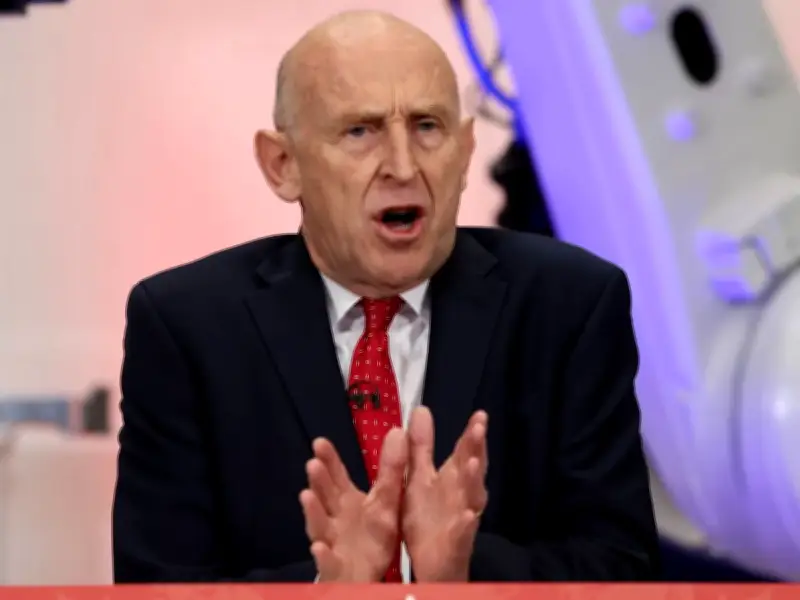
Chancellor John Healey has rejected calls from fellow cabinet ministers to hike capital gains tax at the Budget, ruling out the move ahead of next week's fiscal statement.
Several prominent Labour figures had backed a rise in the tax, which applies to profit made from selling assets such as a house or shares. Cabinet ministers Wes Streeting and Louise Haigh both supported an increase over the summer before Andy Burnham became Prime Minister.
Ministerial support for a rise
Mr Streeting had described capital gains tax as a "wealth tax that works" during his Labour leadership pitch, saying it would address an unfair system while encouraging investment. Ms Haigh, the First Secretary of State, had written that it would "shift the taxation burden away from punishing work".
However, Mr Healey has now ruled out the increase after being told it could end up costing the Government money if wealthy people leave the country or defer selling off assets.
Economic concerns and reaction
Speaking to The Times, Lord O'Neill of Gately, who has advised Mr Burnham and worked on the Northern Powerhouse project, said: "If this is what happens it's eminently sensible and just what's needed to keep the improving momentum in the economy going. As I have said a number of times, raising capital gains tax would send very much the wrong message to business."
The Chancellor had previously stressed the importance of businesses and self-employed people making profits in a speech last month, saying: "I want to see this country as a country of wealth creation. I want our government decisions and policies to raise the levels of confidence, and investment, and profit in British business."
The biggest revenue-raising measure reportedly set to be in the Budget is an increase in the rate banks pay on their profits, expected to fund cost-of-living support for households and businesses.
Criticism from campaigners
Caitlin Boswell, Deputy Director at Tax Justice UK, said: "Ruling out a pro-worker, pro-fairness and pro-growth tax rise is a missed open-goal. It suggests this Government is out of step with the large numbers of MPs across Westminster calling for this change, alongside leading economists. Let alone millions of people who are sick and tired of their needs feeling secondary to those of the super-rich. Asking those with unimaginable wealth to pay just a little bit more would benefit us all - it's people being able to afford the basics, see a doctor when they need one, or afford a safe place to live.
"These are some fundamental things that shouldn't be hard to deliver in one of the richest countries in the world. Clearly, Britain needs a reset, the public agrees, so now it's time for Andy Burnham and his Chancellor to act."
The decision comes days after campaigners said a wealth tax on the super-rich could help fund an extra 130,000 care workers and five million emergency payments to vulnerable households. Research by the IPPR think-tank, commissioned by the 38 Degrees campaign group, also shows a levy on the super-rich over three years could help fund tens of thousands of council homes.