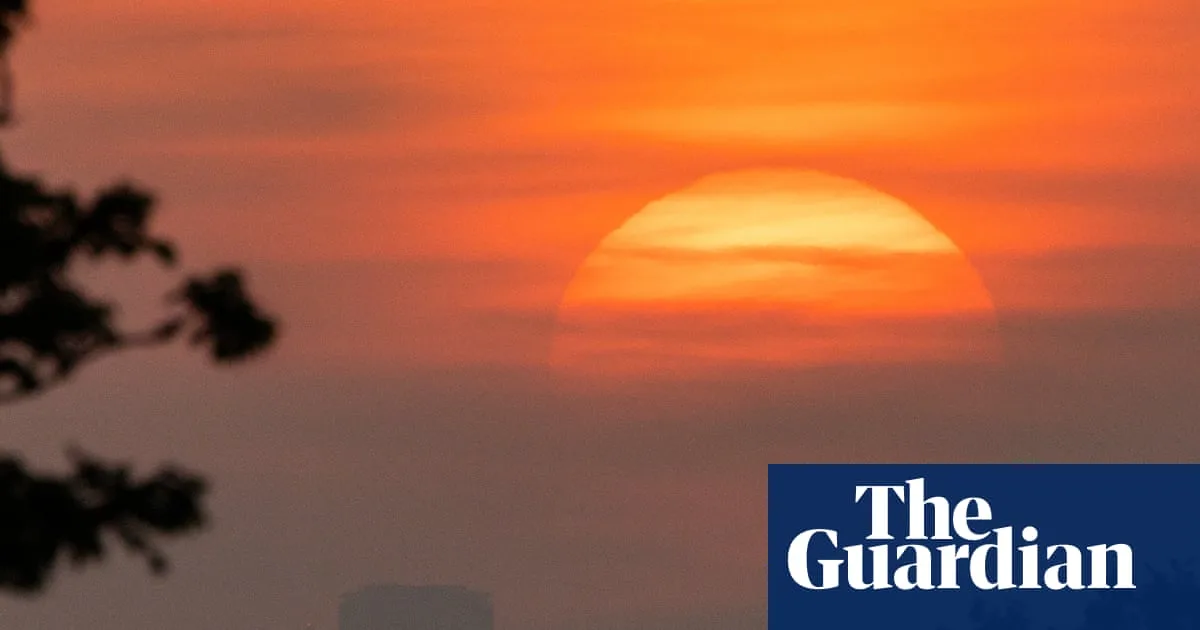
Temperatures surged to 35C on Tuesday, condemning millions to sticky nights in homes ill-prepared for such conditions. The heat is record-breaking: still spring, yet temperatures approach extremes once unexpected even in high summer. Yorkshire experienced its first spring 'tropical night' on Monday, with temperatures failing to fall below 20C. Health alerts remain across large parts of the country due to increased likelihood of deaths, especially among the vulnerable and elderly.
Climate scientists warn that Britons have already lived through the coolest years of their lives. The UK's mild, predictable weather patterns are fading, replaced by extremes: wetter winters with floods, and summers punctuated by heatwaves and drought. This week's heatwave is a reminder of what awaits in coming decades, with records shattered across England day and night. National infrastructure has creaked, with offices, hospitals and homes overheating, train journeys cancelled, and some hospitals reporting a rise in admissions.
The Guardian's environment editor, Damian Carrington, says the current extreme weather shows the speed of rising temperatures. 'Carbon emissions from fossil fuel burning are trapping heat in the atmosphere. It is nearly 15 degrees hotter than normal right now, which is really crazy. We usually break temperature records by a tenth of a degree, but this one was broken by two degrees. To me, it shows how quickly climate change is impacting us.'
The heatwave is not driven by natural phenomena like El Niño, which may affect UK weather in autumn. Instead, it is the consequence of decades of greenhouse gas emissions and will become increasingly common. To adapt, Carrington says British society needs to reexamine its 'mad dogs and Englishmen' approach to hot weather and consider customs used in warmer countries, as many Britons do not recognise the danger high temperatures bring, especially for the most vulnerable.