The family of a disabled 12-year-old has been ordered to repay £27,000 after the Department for Work and Pensions (DWP) reviewed the case and decided she did not qualify for the benefit she had been receiving. The case was raised in Parliament, and a government minister has pledged to look into it.
MP raises case of sight-impaired girl
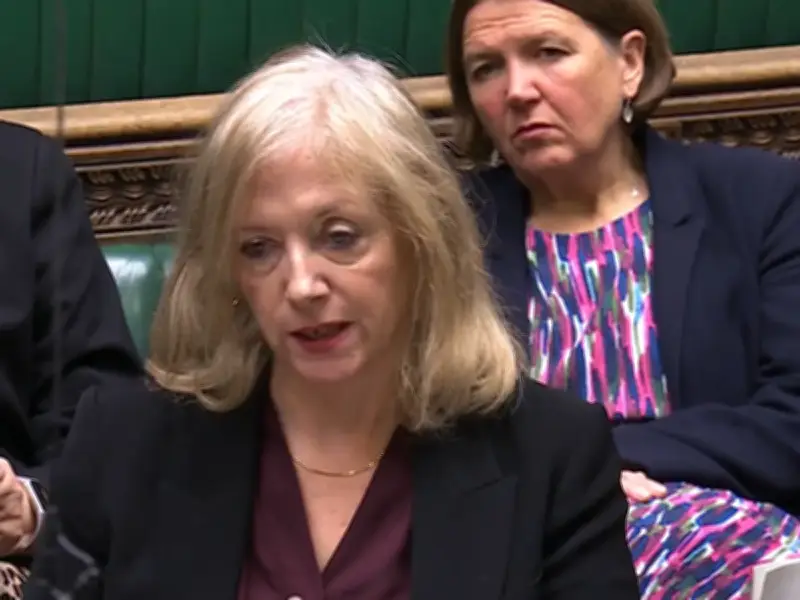
Liberal Democrat MP Liz Jarvis said the family, from her Eastleigh constituency, 'did not make a mistake' and that the DWP awarded them £400 compensation while insisting the money be repaid. She explained that the 12-year-old girl is blind in one eye and sight-impaired in the other, and was awarded the higher-rate disabled child element of Universal Credit in 2018.
According to Ms Jarvis, the DWP failed to request a certificate of visual impairment when awarding the benefit. Upon reviewing the case seven years later, it decided that she did not qualify.
DWP admits fault but demands repayment
Ms Jarvis said that even though the DWP admitted it was a mistake, it still insisted the money be repaid, offering only small compensation. She stated: "My constituent must now repay nearly £27,000 for a mistake she did not make, even though the DWP has admitted in writing that it shares responsibility for this overpayment. The DWP has given her just £400 in compensation for its mistake. Will the Minister review whether it is right for the DWP to recover sums in full when her Department accepts fault?"
Parliamentary Under-Secretary of State for the Department for Work and Pensions Lillian Greenwood said she would look into the case, adding: "I thank the hon. Member for raising this particularly difficult-sounding case. We always want to get our decisions right, and we do not want people to end up building up large amounts of overpayment, which they then have to refund to the Department. If it would be helpful, I would be happy to meet her to hear more about this particular case."
Minister explains review process
Ms Jarvis was asking a question in Parliament about how the amount of overpayment can be reduced. Ms Greenwood added: "We regularly check disability benefit decisions to make sure they are correct. Where we find mistakes, we look at what happened and use those lessons to improve future decision making. We share that learning across teams and focus support where it is most needed. That helps us to make more consistent decisions, ensures that people receive the right entitlement and reduces the risk of incorrect payments."
The DWP has been contacted for comment. Last month, the DWP used new anti-fraud powers to help identify claimants with undeclared savings or extended time spent overseas, for the first time. The department issued its first Eligibility Verification Notice, requiring banks to share information to help check someone's benefit entitlement.
The Eligibility Verification Measure (EVM), which officials said they hope will save taxpayers £1.2 billion by 2030/31, will ask banks to help identify claimants who may have undeclared savings or remain abroad longer than benefit rules allow, two major drivers of fraud and error. The measures are intended to help detect fraud, reduce incorrect payments and protect taxpayers' money. They have been introduced as part of the Public Authorities (Fraud, Error and Recovery) Act 2025 and contribute to the Government's wider drive to save the taxpayer £14.6 billion over the next five years. They will also help identify incorrect payments sooner, ensuring people receive the support they are entitled to while reducing the risk of overpayments building up and claimants falling into avoidable debt.