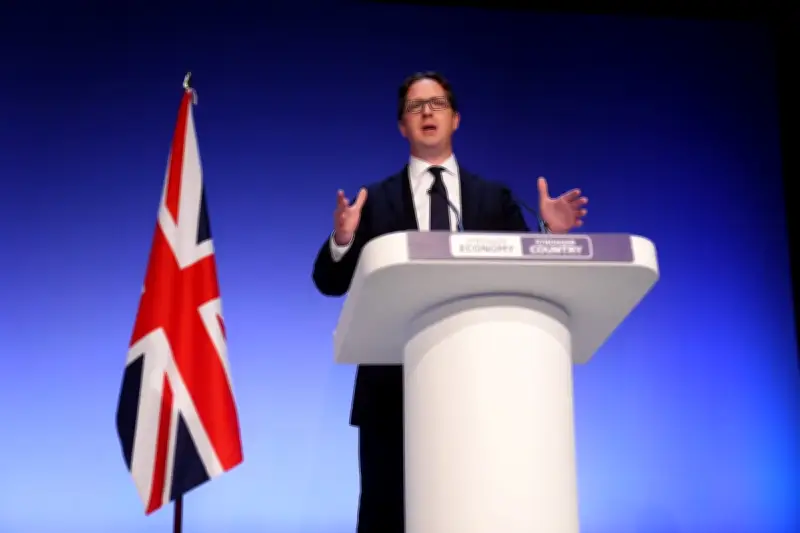
Official forecasts suggest the working-age welfare bill is about £146 billion, significantly lower than the £183 billion figure cited by Conservative deputy leader Alex Burghart and shadow work and pensions secretary Helen Whately.
Mr Burghart made the claim during Prime Minister's Questions on Wednesday, asking: "This year, how much will the Government spend on working-age welfare?" He later said: "The answer is £183 billion."
Ms Whately similarly told Times Radio on Thursday: "We're already spending £183 billion a year on working-age welfare. That's forecast under this Government to go up to £222 billion a year."
OBR forecast breakdown
The source of the two shadow ministers' claims is unclear. The most recent Office for Budget Responsibility (OBR) forecast does not provide a breakdown of benefit spending by age cohort.
The £183 billion figure might come from recent OBR data when excluding "pensioner spending" from the welfare spending forecast. However, this still includes child benefit spending as well as some disability spending for children and pensioners.
Further removing child benefit spending and disability spending for children and pensioners brings the forecasted welfare bill to about £146.0 billion in 2026/27.
Welfare spending details
The OBR's recent outlook report forecasts welfare spending to reach about £352.7 billion in the current fiscal year. This includes £169.8 billion on pensioner spending, £96.9 billion towards universal credit and legacy payments, £50.2 billion on disability benefits, £13.7 billion on child benefits and £22.0 billion on "other spending".
When excluding the pensioner spending category, forecast welfare spending is £182.8 billion in 2026/27, very near the figure Mr Burghart and Ms Whately cite. The welfare bill excluding pensioner spending is due to hit £221.4 billion in 2031/32, similar to Ms Whately's second figure, though this forecast is for after the next general election, which must be called by August 2029.
These figures include child benefit spending and disability spending for children and pensioners, such as attendance allowance.
Working-age calculation
More detailed data on forecast expenditure shows £27.1 billion of disability spending is for working-age claimants in 2026/27, while £23.1 billion is for children and pensioners.
Removing pensioner spending, child benefit, and disability benefit for children and pensioners brings the welfare bill to £146.0 billion for 2026/27 and £164.2 billion in 2029/30, significantly lower than Mr Burghart's and Ms Whately's figures. This calculation includes universal credit and equivalent payments, disability benefits for working-age people, and other spending such as Northern Ireland social security expenditure.
Separate figures from the Department for Work and Pensions (DWP) lay out the department's forecast spending with a breakdown for children, working-age people, and pensioners. These figures were published in April this year and do not include welfare spending from other departments such as HM Revenue and Customs.
The spring forecast data show DWP benefit spending for working-age people is set to reach £136.1 billion in 2026/27 and £149.8 billion in 2029/30, the latest year the next general election can be called. It is expected to increase to £155.5 billion in 2030/31, the last year in the DWP forecast. The Press Association has contacted the Conservative Party for clarification.