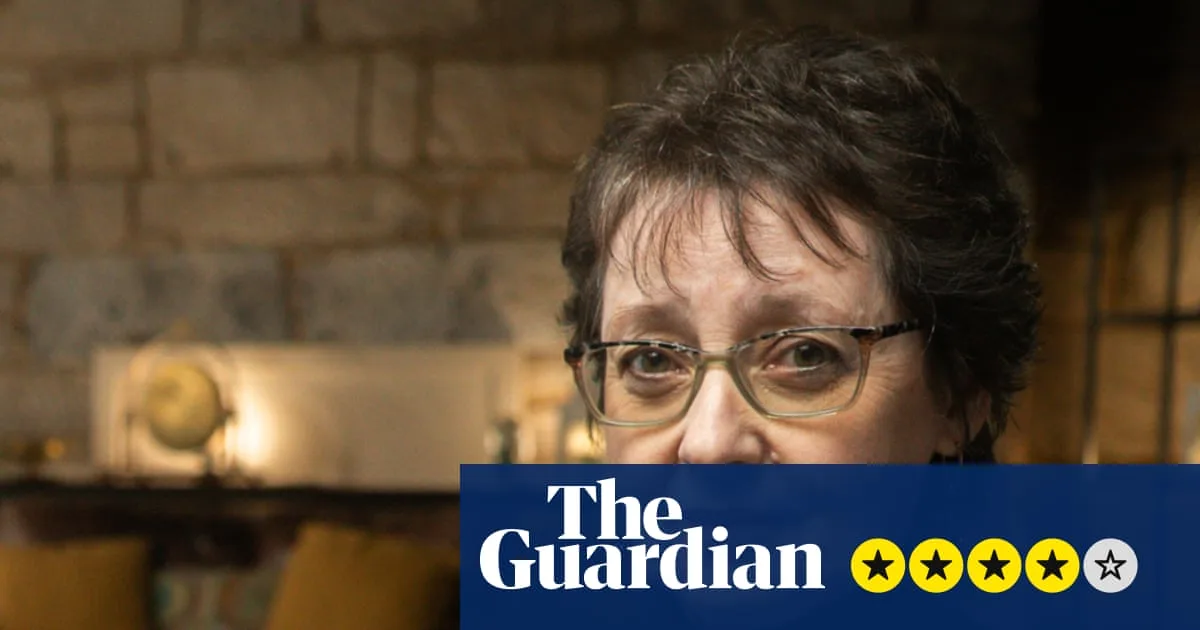
Dunblane: How Britain Banned Handguns Review – A Moving Tale of Courageous Parents
If you watched The Dunblane Tapes on Channel 4 last month, you might feel emotionally unprepared for another documentary about the primary school shooting that scarred a nation. No one would fault you for that hesitation. The events of March 1996, which claimed the lives of 16 children and one teacher, remain profoundly difficult to confront, especially when recounted by parents who lost their sons and daughters that tragic day. Even three decades later, local MPs who visited the scene still struggle to discuss it without tears.
The Aftermath and a Nation's Response
However, if you missed it, revisiting this history is crucial—not only for remembrance but because the response to the crime helps explain why Britain is a relatively safe place today. Gun crime has never been widespread in the UK, but the country has been marked by a few mass shootings. One such event was the Hungerford massacre in 1987, where a man killed 16 people using legally owned semi-automatic rifles and a handgun. While such rifles were banned the following year, handguns—deadly and easily concealable—remained legal. This was the weapon used in the Dunblane massacre, a picturesque Scottish town near Stirling.
The BBC's programme, Dunblane: How Britain Banned Handguns, focuses intently on the campaign to outlaw these firearms. It opens with a stark, first-person account from Eileen Harrild, a teacher injured in the attack, whose testimony is both economical and utterly devastating. Archive footage shows parents and siblings arriving at the school gates as television presenters grapple with the breaking news in real time. Then, bereaved parents recount how their worst nightmares unfolded, painting a picture of a reality so cruel it feels like an alternate universe.
The Snowdrop Petition and Grassroots Campaigning
For many, the only fitting response to this tragedy was to change the law. A group of brave, industrious women with no direct link to the victims launched the Snowdrop petition, amassing an impressive 705,000 signatures at a time when signing required more effort than a quick online click. Some bereaved parents, including Mick North and Pam Ross, lent their weight to the movement, summoning the courage to appear on programmes like Newsnight to argue their case.
They faced significant opposition, not just from politicians wary of losing votes but also from a vocal pro-handgun contingent. At one point, Prince Philip even weighed in, suggesting that banning handguns was as sensible as banning cricket bats. Individual Snowdrop campaigners received hate mail, and some shooting advocates, interviewed in the documentary, continue to cast aspersions on them even now.
Arguments Against the Ban and Bipartisan Action
Two main arguments were mounted against the ban. First, Britain already had relatively strict gun laws. Second, handguns were rarely misused by their very normal owners, who primarily used them for shooting as a sport. The documentary suggests that public opinion then, as it would be today, viewed prioritising this niche leisure activity over public safety as utterly absurd.
The issue garnered bipartisan support from the outset, but it was Tony Blair who implemented a full ban in 1997, shortly after the Conservatives had outlawed all handguns greater than .22 calibre, the type used in Olympic shooting. Blair appears in the programme to explain his involvement, alongside a roster of political figures including Alastair Campbell, Michael Howard, and Ann Widdecombe. A substantial portion of the documentary details how the petition evolved into law, offering a granular look at the democratic process that, while heartening, can feel somewhat dry given the emotive subject matter.
Cultural Context and Lasting Impact
By focusing so closely on the ban's trajectory, the programme offers limited insight into the bigger picture. It doesn't extensively cover the ban's impact, perhaps understandably given the rarity of such crimes even before the legislation. However, it briefly touches on cultural context, noting that Conservative MP David Mellor, a vocal supporter, linked handguns to the scourge of Americanisation, warning that importing American lifestyles could lead to American-style deaths. Today, gun crime stands as a key demarcation between UK and US life, yet this debate was never framed in American terms of liberty versus safety—it was a distinctly British argument about logic and hobby-related inconvenience.
Reflecting on cultural differences and grassroots campaigning tribulations is less distressing than hearing a bereaved father admit he can no longer remember his daughter's voice—a heartbreaking moment that concludes the documentary. The programme-makers remind us that the immense pain of losing a child must remain central, a tragedy that these determined campaigners have made slightly less likely in the future.
Dunblane: How Britain Banned Handguns aired on BBC Two and is available on iPlayer now.






