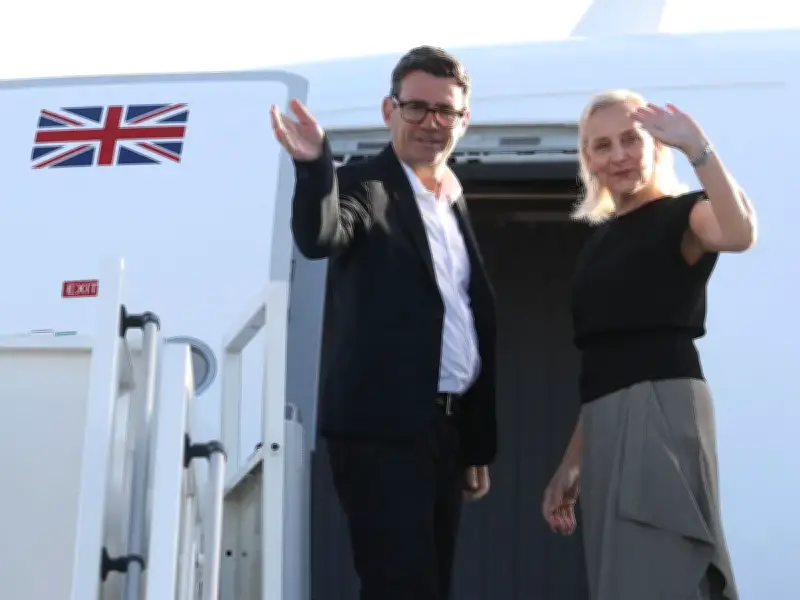
Downing Street has defended the decision for Prime Minister Andy Burnham to be collected by a plane at Manchester Airport shortly after it took off from London Stansted.
Flight details and cost
The flight departed London Stansted at around 6am on Monday, November 2, bound for Antigua and Barbuda, but Mr Burnham was not on board with UK delegates. He was then picked up at Manchester after the flight's 34-minute journey, according to reports.
Downing Street has declined to say how much the stop cost. The plane, which was heading for the Commonwealth leaders' summit, was grounded for around an hour before setting off again via Canada for a refuelling stop. Some reports claim the detour would have added about £20,000, but these have not been verified.
Official response
The Prime Minister's official spokesman said: "The Prime Minister's travel arrangements are made on the basis of security, operational requirements, and value for money for the taxpayer. The Prime Minister's travel arrangements reflect where he was carrying out official government business at the end of last week."
"As you know, he spent the day in Scotland on Friday, returned to Manchester to work from Number 10 North on Friday evening. In terms of costs, travel costs will be published in the usual way."
Summit attendance and slave trade stance
Mr Burnham is due to land in St John's later today before attending the Commonwealth Heads of Government Meeting. He has said he is open to calls for a formal British apology for its role in the slave trade, expressing "sorrow and regret for the pain and suffering of so many millions", while rejecting calls for financial compensation, in keeping with his predecessors.
Writing in The Guardian, he said: "We are offering a structured dialogue with those affected by the transatlantic slave trade. Listening to calls for a formal apology on behalf of the British state will form an important part of this process and I am open to them."
The King arrived in the Caribbean nation on Friday ahead of his Tuesday summit opening address, which is expected to draw heightened interest after the Prime Minister's intervention. Charles, who as head of state is above party politics, is not expected to offer an apology or reference the change in government policy.