
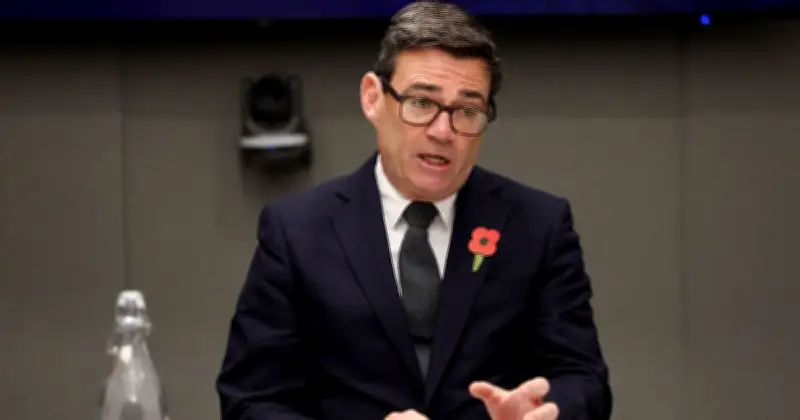
Prime Minister Andy Burnham is reportedly considering increasing financial assistance to Commonwealth nations to atone for Britain's role in the slave trade, despite having ruled out paying reparations.
According to The Daily Telegraph, Mr Burnham will consider demands for investment in areas such as healthcare and education from African and Caribbean countries. This marks a break with established government policy.
Shift in Position on Slavery
On Friday, Mr Burnham opened the door to action by the British state when he said he was open to making a formal apology for slavery. However, in a piece for The Guardian, he ruled out writing a cheque, saying his Government should not be held responsible for actions taken centuries ago.
Instead, it is reported that he will offer a "structured dialogue" with countries affected by the slave trade and listen to demands for more development funding.
Reactions from Caribbean Leaders
Barbados Prime Minister Mia Mottley welcomed the decision to open talks, calling for "investment in health and education" and a "development partnership" with the UK. Jamaica's Prime Minister, Andrew Holness, also said he hoped for "meaningful" discussions on "reparatory justice".
This comes despite the British taxpayer already funding large aid packages to countries including Nigeria, which is set to receive £75 million this year alone.
No Immediate Cash, Future Funding Possible
No extra cash will reach foreign governments this financial year, but it has been reported that future funding could be considered as soon as next year. Mr Burnham is due to address a summit of Commonwealth leaders in Antigua and Barbuda this week amid mounting demands for reparations.
The Prime Minister said in his Guardian article on Friday that "listening to calls for a formal apology on behalf of the British state will form an important part of this process and I am open to them".
His Tory rivals criticised the move, with Kemi Badenoch saying she was "worried" that the summit would be "yet another opportunity for people to start asking Britain for money because of the slave trade". A Foreign Office spokesman said: "We are committed to working with Commonwealth partners on issues facing the world, including the role of private finance in tackling global debt issues, addressing the climate crisis and supporting economic development."
The development comes as Britain faces its highest tax burden since the end of World War 2.




