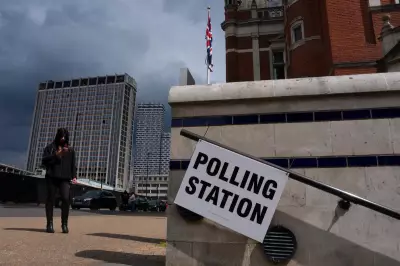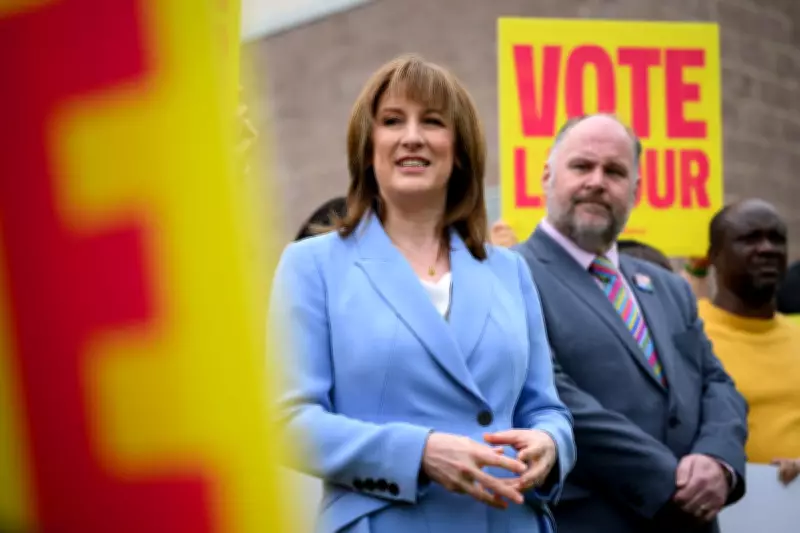
So far, the markets are quiet. So far. Early reaction in the City to the election results was that they are not as bad for Sir Keir Starmer as feared. The yield on 10-year gilts was just 0.05 percentage points down, actually making it the best European performer, while the pound was up 0.5 per cent at $1.362.
That was one interpretation being put on the traders’ response. Doubtless, it was an angle that gave the embattled prime minister some relief, a bit of an anchor he could cling to, a piece of ammunition for positive spin.
However, it’s hard to know how awful the outcome would have to be for speculators to give the thumbs down. The truth is, Labour was pounded, and Starmer was hammered. That was clear even before Scotland and Wales made their contribution.

What was really going on was not so much investors giving Starmer credit or expressing relief, but biding their time. They are playing a waiting game. Should there be a cabinet putsch, should there be a clear leadership challenge, should Starmer realise his time is up, then they will move.
When that happens, it won’t be pretty. Because what they dread is uncertainty; for now, Starmer insists he is going nowhere, which maintains the semblance of stability – but also the prospect of a shift to the left, with higher public spending and greater borrowing. Businesses and the wealthiest individuals might well be targeted for additional tax. Then we can expect to see government bonds and sterling receive an almighty kicking.
The City long ago lost faith in this Labour administration. They’ve realised that, should there be a change in leader, there is little possibility of the party leaning to the right. There is no mileage in following a Reform UK-inspired agenda. The next Labour leader, if there is a swap, will be more left wing.
That successor, too, will want to act quickly to make an impact ahead of the next election. Starmer has been criticised for not delivering, for not making the improvements he promised. We don’t live in an era of patience; the electorate seeks instant gratification. Boris Johnson pledged “levelling up” and got himself elected; he failed in the period allowed and was ousted.
No matter that, even if Johnson had seriously embarked on a programme of equalisation – and he didn’t, falling back on dabbling, shouting and waving, and proclaiming he was advancing the cause when not borne out by the facts – the fruits would have taken years to materialise. Voters in the red wall constituencies took one look, determined they did not like what they were seeing from Johnson and his Tory successors, and at the first opportunity, headed towards Starmer.
Even “red wall” is a misnomer. Nothing is certain in politics these days. Elections around the world have witnessed lurches from one side of the spectrum to another. It’s a symptom of the age of social media, of wishing and expecting the jam today, not tomorrow. There is no solid wall, no permanence. Previous voting habits mean little.
That was emphasised by these local results. The old two-party battle – with the Lib Dems thrown in, along with nationalists in Scotland and Wales – is in the past. It’s five-way with the heightened possibility of coalitions along European lines. That induces nervousness in the City, eroding predictability in favour of break-ups, trade-offs and repeated ballots.
Starmer’s survival plan is likely to encompass a reset – to add to the several we’ve had already – coupled with a reshuffle, which will be more radical than others triggered by scandal or resignations. For that shake-up to have any meaning, only one switch will suffice and that will be Rachel Reeves removed as chancellor. Anything less will not cut it.

Here, the City is torn. Business cannot abide Reeves, viewing her as someone who reneged on what she promised over copious pre-election breakfasts, lunches, and dinners. No sooner did she take office than all those sweet words were abandoned. Instead, she hiked employers’ national insurance and embarked on other measures targeting the private sector. In that sense, they would like her to depart. But along with the premier, chancellor is the position of state that carries the greatest weight in financial circles. It’s the holder of the economic levers, the post that provides stability. Replacing the head of the Treasury is always a bold, dangerous step. A new broom might be more left-leaning as Starmer tries to appease the left in his party, and the unions. God forbid, says the City, it could be Ed Miliband.
In any event, the very act of sacking Reeves will signal that Starmer has lost authority. Reeves accompanied him on the rise to power, they toured the boardrooms together, theirs was a joint project. Her removal would be an admission of failure dressed up as an attempt to renew and rebuild. Again, the markets would give their vote, as only they know how.
So, there may be relative calm at present. Do not be fooled; in all likelihood, it will not last.