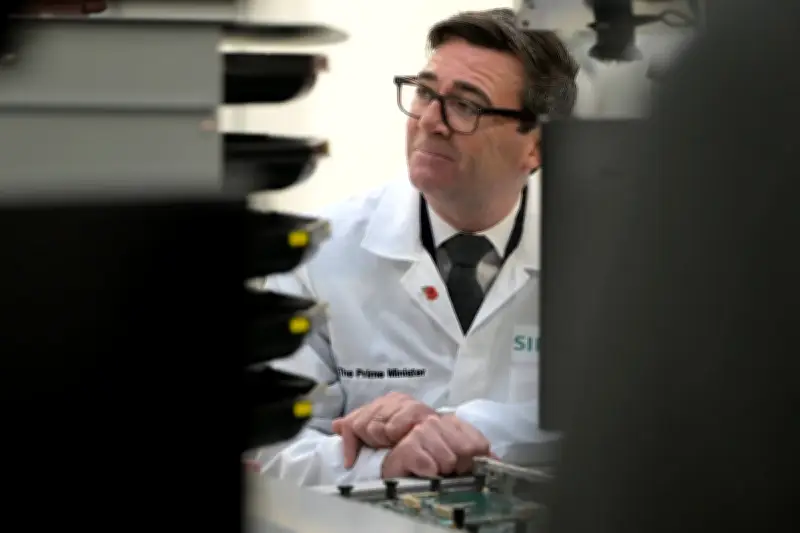
Prime Minister Andy Burnham has suggested that cutting welfare costs will require the Government to spend more in other areas, such as education. His comments came as he awaits the outcome of a major review that will recommend how to reduce the number of young people not in education, employment or training (Neets) who are claiming benefits.
Reprioritising funding for youth support
During a visit to an employer in Wiltshire on Friday, Mr Burnham was asked how his plans to give young people more career support would align with the need for departments across Government to cut their budgets, given pledges to increase defence funding.
“It is going to be difficult. I’m not going to pretend otherwise, but we will reprioritise, and we will find funding to build our response to the Milburn review,” the Prime Minister told Times Radio.
Investing up front in young people
He added: “Of course, in time, the savings will come, and there will be a crossover point, but there will be a need to invest up front in young people. But it’s an investment in society. It’s the right investment to make.”
Asked whether he accepted that the welfare bill would have to go up before it comes down, Mr Burnham replied: “It wouldn’t be the welfare bill. It would be the investment in the support that teenagers need and the guarantees that I want to put in place for them.”
“I would like young people to have, in this country, a guarantee of a 45-day work placement between 16 and 18. I have seen the change that they have made. They’re linked to T-levels at the moment. I think they should be available to all young people who want a quality work placement of that kind.”
Awaiting review responses
Ministers are expected to set out their response to the Timms review into disability benefits reform and the Milburn review on getting more Neets into work in the coming weeks. The Government is grappling with how to control the rising welfare bill.
The Office for Budget Responsibility forecasts welfare spending will rise to £431 billion by the 2031-32 financial year, largely driven by health-related and pensioner benefits. More than half of all welfare spending on the Government’s books goes towards pensioners, including the state pension and other benefits.