
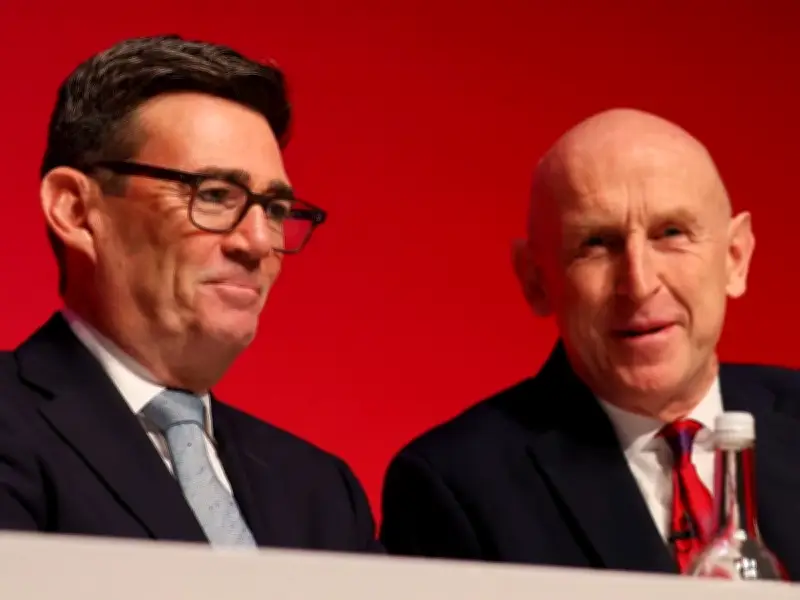
Chancellor John Healey is set to unveil the UK Government's spending plans for the next 12 months, with Prime Minister Andy Burnham facing pressure to deliver "meaningful help" for struggling Scottish families in his first Budget.
The Budget comes as the cost of living continues to strain household budgets, with a series of "everyday fixes" expected to feature in Wednesday's announcement.
Tariff cuts and energy measures
The UK Government plans to slash tariffs on a range of popular foods, including chocolate, beans and gherkins, to make them cheaper for shoppers. The tariff cut is also aimed at bringing down the price of fertiliser for farmers and kerosene for households that use the fuel for heating.
Burnham said: "We are taking on the big challenges facing the country but that doesn't mean losing sight of the everyday problems that cost people money or simply aren't fair."
The Prime Minister has announced several steps to help people and businesses with living costs since coming to power, including cutting VAT on energy bills this winter. He has pledged the Government will "go further to give families and businesses the breathing space they need" at the Budget.
Minimum wage and fuel duty
The Chancellor is also set to announce a rise in the minimum wage by nearly four per cent, while ending the trend of hiking the national minimum wage for those aged 18 to 20 by more than the rate for older workers, raising it instead roughly in line with the rate for over 21-year-olds.
With pump prices for petrol and diesel soaring, Healey has reportedly bowed to pressure to cancel January's planned increase in fuel duty, keeping the rate of the levy frozen for the 16th year at 52p per litre.
The Prime Minister has also ordered the Chancellor and Energy Secretary Miatta Fahnbulleh to examine scrapping standing charges from gas bills. He wants to break the link that allows the price of wholesale gas to set electricity bills, even though the fossil fuel only makes up a small percentage of total generation.
Limited headroom for giveaways
SNP MP Kirsty Blackman said: "The Chancellor must finally deliver meaningful help for the majority of households by cutting energy bills by at least £300 and by removing VAT from petrol and diesel for the remainder of the fuel price crisis."
The Chancellor will have limited scope for big Budget giveaways due to stretched public finances. He is likely to have significantly reduced headroom – the buffer against his fiscal rules – because of the increased cost of Government borrowing resulting from the Iran war.
Healey is sticking with the rules set by predecessor Rachel Reeves, requiring day-to-day spending to be financed by taxes rather than borrowing by 2029/30 and that public debt as a share of the economy should fall in the same year. In March, the headroom was forecast by the Office for Budget Responsibility (OBR) to be around £24 billion, but the Resolution Foundation estimates that could have halved to £12 billion. The Institute for Fiscal Studies (IFS) thinks it could still be around £20 billion.




