
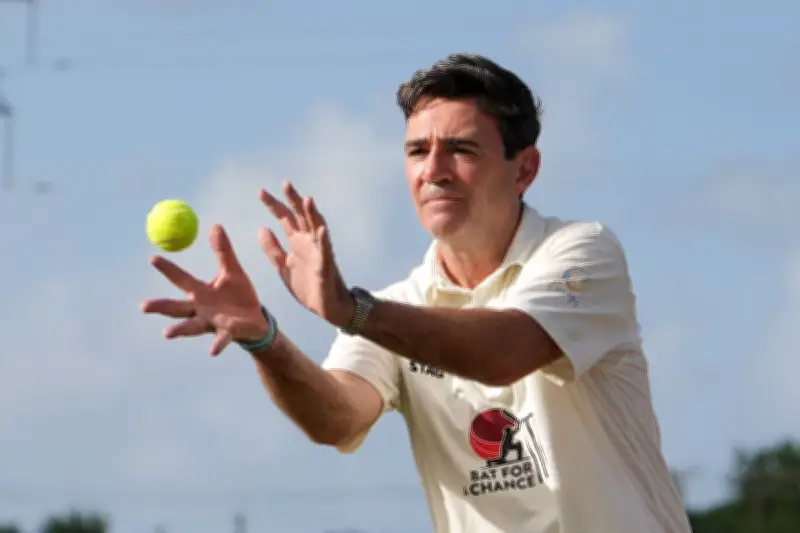
Prime Minister Andy Burnham has said he has not proposed the return of freedom of movement between the UK and the EU, insisting the public will be “the boss” in deciding Britain’s future relationship with the bloc.
Speaking during a trip to Antigua, Mr Burnham said an “honest discussion” was needed about how temporary migration from Europe had been replaced by long-term settlement in larger numbers since Brexit.
Summit plans and draft deals
Mr Burnham wants to lock in deals on food and drink, emissions trading and a youth mobility scheme at a Brussels summit on November 20. He told ministers that the period beyond that would be to “explore options” for the long-term relationship that will eventually be put to the public.
A draft text on a food and agriculture deal has been circulated among the 27 EU members, the BBC reported, along with similar documents on emissions trading and youth mobility plans.
Immigration debate
In an interview with ITV airing on Tuesday, the Labour leader said: “I have not proposed freedom of movement coming back. I do believe that we should have an honest discussion with people about how immigration has changed since the Brexit vote because the shorter term migration of people coming from Europe and then going back has been replaced with long term settlement in bigger numbers, and that was the Boriswave.”
He said this had “led to more illegal migration because we can’t share data anymore” with European partners.
Mr Burnham, who fought a by-election in Leave-voting Makerfield with a promise not to “re-run” Brexit arguments, said he had noticed during the campaign that public opinion had changed in the constituency over the decade since the 2016 Brexit vote. “I think public opinion has changed nationally. But I want to be really clear on this issue. I will not run ahead of public opinion. The public need to be the boss when it comes to whatever happens with Brexit,” he continued.
Position and red lines
Mr Burnham was pressed again on the issue after an interview last weekend in which he called for an “honest discussion” about a return to freedom of movement. Further interviews followed, in which he first said there would be no shift within this Parliament and signalled he could fight the next general election on a promise to take the UK back into the bloc. In a second interview, he said “no” when asked whether he would allow the UK to reinstate EU freedom of movement without a referendum, forcing Downing Street to later clarify that he was “not leaning either way” on how to move forward.
He told MPs in the Commons last week there was “no confusion at all” about his position when asked if he wanted a referendum on rejoining the bloc. He committed to sticking to red lines set out in Labour’s manifesto – which rule out returning to the customs union, single market or free movement – for the duration of this Parliament, and told his Cabinet to avoid publicly backing specific options for the UK’s future relationship with the EU.
Home Secretary Shabana Mahmood declined to “indulge” in questions over her opinion on a potential return to free movement. Ms Mahmood, who on Monday unveiled a tightening of immigration rules, told Sky News: “What I am keen on is abiding by our manifesto. The Prime Minister has himself recognised that there were significant issues with the free movement of people, and that should also be part of the debate that we’re going to have as a country about our Brexit settlement and what we do for the future.”
Asked whether she agreed with his assessment that the UK would have more control over migration if it rejoined the EU, she said losing access to EU-wide databases after Brexit had “had a very significant impact on us and our ability to manage migration into this country”.




