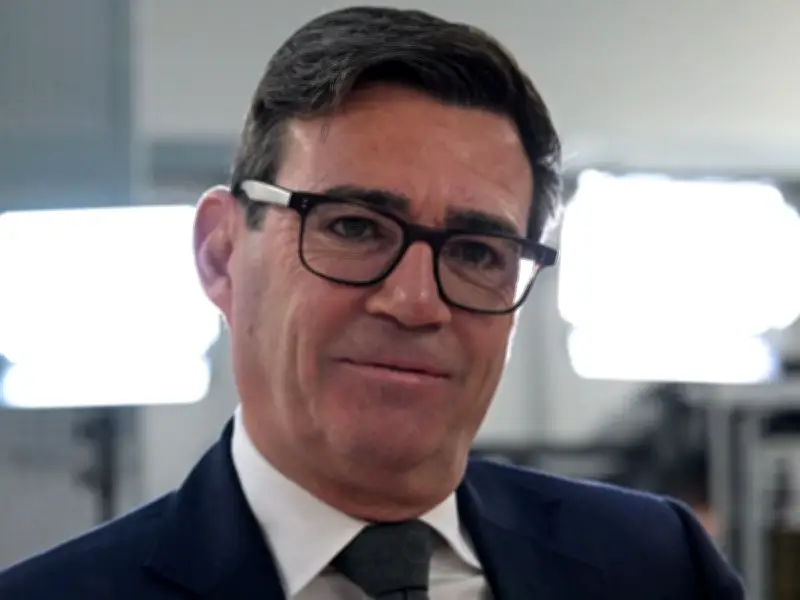
Prime Minister Andy Burnham has said closer food and farming ties with the EU could help bring down the cost of living, as he prepares to sign a series of deals with the bloc in Brussels on November 20.
The deals are focused on reducing post-Brexit trade barriers on food and farming, working more closely on emissions trading, and making it easier for young people from the UK to work, live and study in Europe and vice versa. Mr Burnham has suggested he wants to go further in deepening ties with Europe after the summit.
Deals to ease supermarket prices
Speaking to the Sunday Mirror ahead of the Brussels gathering, Mr Burnham made a case for forging closer ties with the UK's continental neighbours based on bringing down household costs.
He said: "It pays to have a good relationship with your neighbours, and the practical deals we are agreeing with Europe will pay off for families across the UK.
"Cutting red tape on food coming in and out of the country will ease pressure on prices at the supermarket, while making life easier for farmers and food producers.
"This summit will show what we can achieve when we work together, but it doesn't need to be the end of our ambition.
"Working more closely with Europe could drive growth, make our country safer and give us more tools to tackle illegal migration. That's a conversation worth having."
Migration and EU ties
Government sources suggested to the Sunday Mirror that restoring access to the EU's migration database would be helpful to tackling illegal channel crossings and other migration crime in future.
The Prime Minister, who has previously expressed a wish to see the UK rejoin the EU in his lifetime, has been careful to say he would leave such a decision in the hands of the public. Mr Burnham has said a range of options will be put before voters, and ruled out any major changes before an election.
Challenges ahead
However, the Prime Minister faces some difficulties in forging significantly closer ties with the EU. Michel Barnier, Brussels' former chief Brexit negotiator, warned that Britain will not be able to pick and choose which elements of the European Union's single market arrangements it wants if it decides to move closer to the bloc.
EU member states would insist the UK adopt measures such as the free movement of people in exchange for easier trade, he told the BBC's Sunday with Laura Kuenssberg.
In a further sign that Britain's path back into Europe would present challenges, the Irish former premier who helped negotiate Brexit, Leo Varadkar, warned that Britain would be unlikely to get a £5 billion annual rebate from the EU again if it rejoined. Mr Varadkar, who helped secure the 2019 Brexit agreement with Boris Johnson, suggested the discount Margaret Thatcher had negotiated on paying into the EU's central budget would not be on offer to the UK in future.