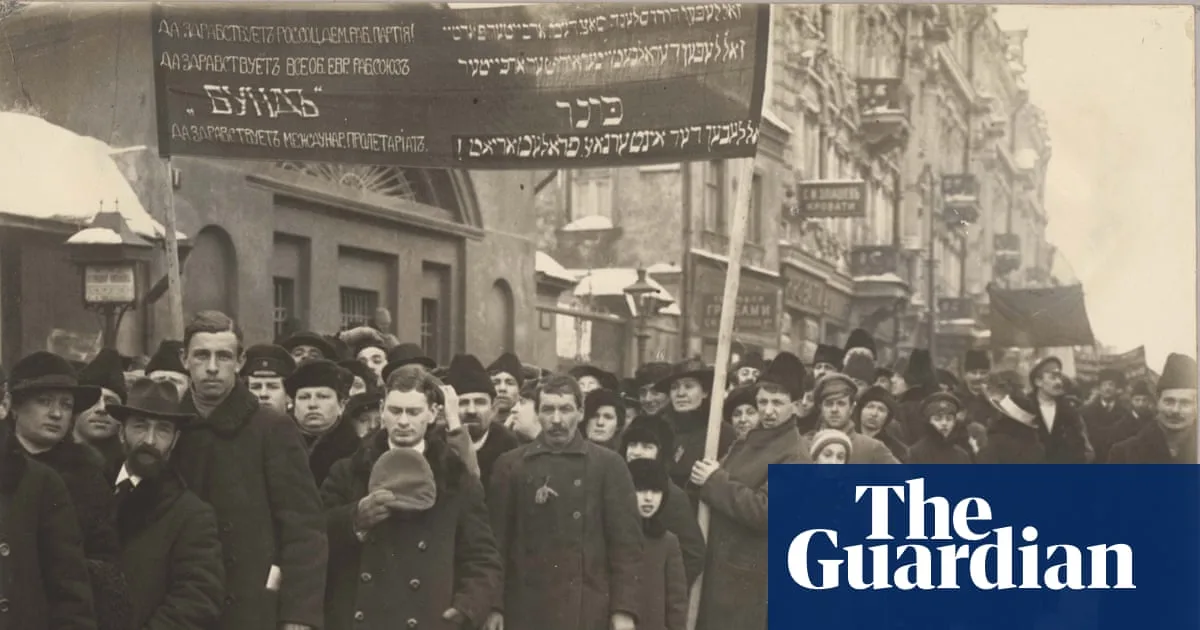
A new book by Molly Crabapple documents the rise and fall of the Jewish Labour Bund, a revolutionary party that fought against Zionism and for 'solidarity across difference'. The Bund, founded in 1897 in the Tsarist empire, championed cosmopolitanism over nationalism, social democracy over capitalism, and collective liberation over ethno-chauvinism.
Crabapple's book, 'Here Where We Live Is Our Country: The Story of the Jewish Bund', describes the movement as 'a defeated person's history of the 20th century'. For half a century, Bundists fought for liberation as Jews and Marxists, becoming the most popular socialist movement in Russia before being suppressed by Lenin after the October Revolution.
Reconstituting in Poland, the Bund built schools, trade unions, a women's movement, summer camps, a sanatorium, and newspapers. During the Nazi occupation, they operated an anti-fascist underground and helped lead the Warsaw ghetto uprising. Despite their efforts, nationalism grew, eastern European Jews were annihilated, and Zionists founded a settler colonial state.

Crabapple sees the Bund's legacy in today's movement of Jews fighting for Palestinian liberation. 'Solidarity across difference,' she says, 'is the heart of why the Bund remains so morally inspiring today.' The book was already in its second printing before its release.