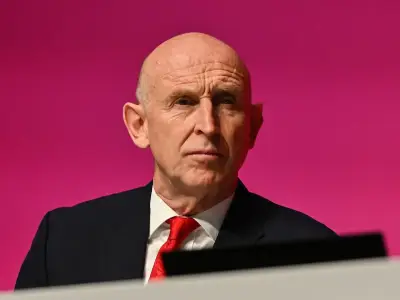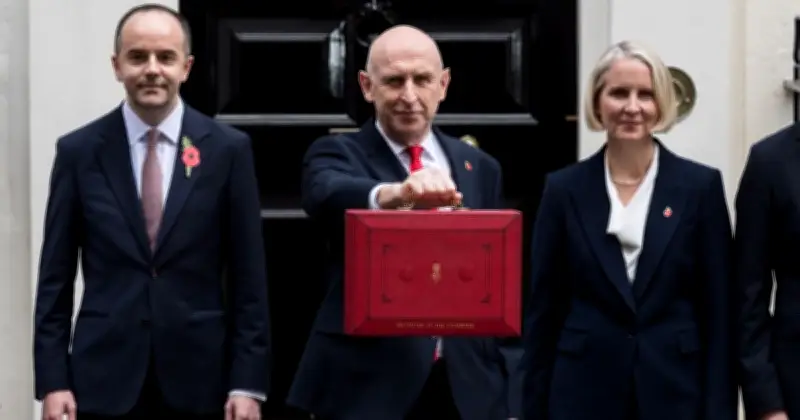
Chancellor John Healey's first Budget has delivered a mix of gains and losses, with low-income workers and pensioners set to benefit while savers and landlords face increased taxes.
Presenting the Budget to the Commons on Wednesday, Mr Healey said the UK was being battered by a global economic storm, with public finances under pressure as the cost of borrowing soars and the UK spends £14 billion more on debt interest this year.
Mr Healey told MPs: "Those are the storms we face. We can’t wish them away. We must choose the course we steer through them."
Who Benefits from the Budget?
Workers on low incomes are among the winners, with the minimum wage set to increase to £13.20 per hour from April 2027 for those aged 21 and over, a 49p increase on the current rate. The 3.9% rise will, for the first time in recent years, be matched for younger workers aged 18 to 20, despite their hourly rates still trailing at £11.27 per hour.
Low-income pensioners will also gain, as pensioners with incomes at or under the value of the full new State Pension will not pay income tax from April 2027, following the announcement of a new Pension Tax Allowance. With the Triple Lock in place, the full State Pension is set to rise above the current personal allowance threshold of £12,570 to £13,036.
Some businesses and founders will benefit from a package of tweaks, including an increase in the threshold for business rates for premises with a rateable value of £12,000 to £18,000 and the tripling of the tax-free trading allowance to £3,000 on self-employment income from April 2027. The main rate First Year Allowance will increase from 40% to 50% to encourage start-up investment, though the main rate of writing allowances will be reduced by 2% to 12%.
Founders have been spared an increase to dividend tax rates, but the lifetime limit on Business Asset Disposal Relief for Capital Gains Tax (CGT) will be reduced from £1m to £500,000. In replacement, a new CGT Founders Relief of 10% on up to £10 million of lifetime gains for qualifying founders of high-growth, innovative companies is introduced.
Support for Households and Drivers
Certain households will see cheaper energy, with standing charges for gas bills to be lifted for around 23 million households from next year. A one-off £100 Household Energy Payment will be made to all households in England in council tax bands A to D from January 2027, and the cut to VAT on electricity bills from 5% to nil is extended to July 2027.
Shoppers will be heartened by tariff suspensions across a further 100 household food items, including baked beans, garlic and citrus jams, as part of a package of over 250 tariff suspensions. Drivers will get more relief for motor costs with a permanent 55p/mile tax-free mileage rate for up to 10,000 miles, and a 10p increase to 35p/mile for any mileage above this. The freeze in fuel duty at the 5p discount will be maintained to July 2027.
First-time buyers will see further detail on the 'Your First Home' scheme, allowing eligible buyers to purchase new-build homes with a deposit of only 2.5%, with the Government providing a top-up loan of 20%. The Lifetime ISA is being replaced with a new First Time Buyer ISA from April 2029, with a maximum value of the 25% government bonus capped at £20,000.
Who Loses Out?
Banks will face an additional 3% increase to 6% on the surcharge they pay on profits, on top of the usual 25% corporation tax rate. This is a time-limited increase for 15 months, starting in January 2027.
Savers will face higher savings tax rates at 24%, 44% and 49% on interest from April 2027, following a further 2% tax on savings income. Landlords will see an additional 2% increase to the basic, higher and additional income tax rates on rental property income from April 2027, in addition to the 2% increase announced by Rachel Reeves last year.
Online marketplaces will be responsible for collecting VAT on sales by UK VAT-registered businesses and any other UK businesses with a minimum annual sales threshold per platform of £90,000. Gamblers may see a hit on payouts as the rate of Machine Games Duty increases from 20% to 25% on machine games with stakes over £1 or prizes over £100.
Beer drinkers may feel disgruntled as alcohol duty is increased in line with RPI from 1 February 2027, though a £10m package to smaller British breweries has been announced through reforms to the Small Producer Relief. Graduates on Plan 2 student loans will be left frustrated as the repayment salary threshold is frozen at £29,385, meaning more graduates will start repaying their loans earlier or repaying more.