
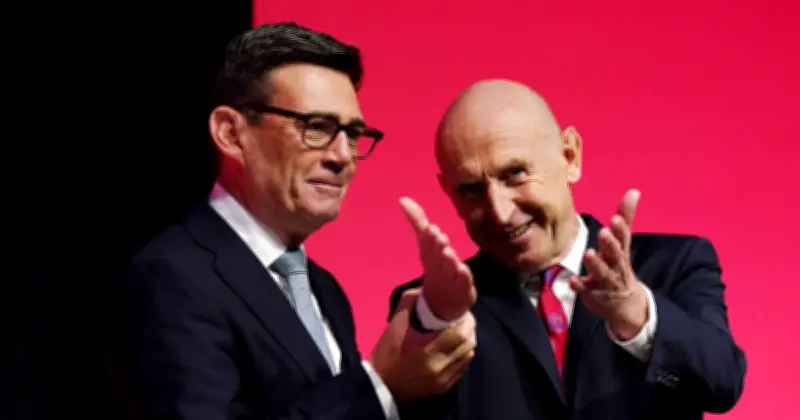
Today's Budget marks the 101st day of Andy Burnham's premiership, and what Chancellor John Healey announces at the despatch box around 12.30pm could make or break the rest of the Prime Minister's time in No. 10.
With soaring inflation and an escalating cost of living squeeze, Britain's families are seeking relief. Household energy bills continue to climb, with Ofgem price cap increases threatening to swallow up measures like the electricity VAT cut. The article argues it is time to put money back into voters' pockets, but all indications suggest this is unlikely.
Tax rises loom as pressures mount
Tory leader Kemi Badenoch has warned there's a "red light flashing" on the dashboard, which can only mean tax rises. Burnham and Healey are trapped between a rock and a hard place, with former Labour Treasury man Liam Byrne quoted as saying "there is no money".
Funds are needed to boost defences against global threats, notably from Vladimir Putin and Iran, while investment in social care is critical. Jobs are becoming scarcer, the education system is in tatters, and businesses and High Streets are dying. One solution would be to slash the welfare budget, but Burnham and Healey won't do this as a point of principle as Labour continues to lurch to the Left.
Financial headwinds facing the Chancellor
Healey faces significant financial headwinds, with government debt exceeding £3 trillion and the Treasury spending £10.9 billion servicing interest in September alone. The Institute for Fiscal Studies has said the Chancellor faces a £35 billion shortfall to maintain existing spending policies and boost defence funding.
Given Labour's focus on penalising wealth, middle and high earners are likely to bear the brunt of any new measures.
Election speculation grows
Labour's poll ratings have bounced since Burnham became Prime Minister in the summer, with the party polling at around 28%, six or seven points ahead of Reform UK and the Conservatives. This has triggered expectations the PM could call a national vote, either later this year or next spring.
The latter is more likely, but budgets can negatively impact governments, especially if taxes go up. Combined with Burnham's threats to ditch the pensions Triple Lock and march Britain back into the EU, polls may look different come March and April, the moment he could trigger an election. The sixty-or-so minutes the Chancellor spends on his feet in the House of Commons may well determine the future of how this country is governed.




