
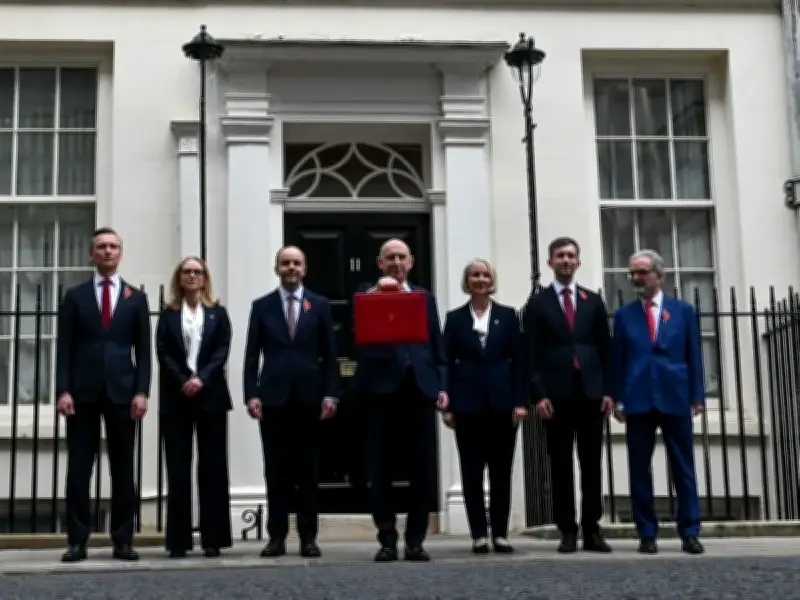
Chancellor John Healey has announced the UK Government's Autumn Budget 2026, outlining a series of measures that will affect people across Wales. While the Budget contained fewer major announcements than in previous years, the chancellor said the intention was to give working families "breathing space".
Key UK-wide announcements
The main announcements included a £100 payment to help with energy bills and the scrapping of gas standing charges. This payment only applies in England, but the Welsh Government is being given the funds to do the same in Wales, with details of how it will be spent still awaited. There were also smaller Welsh-specific announcements, including £30m for the Cardiff Parkway train station plans.
In his hour-long speech to the House of Commons, Mr Healey said people in council tax bands A to D in England will get £100 paid into their bank accounts to help with rising energy prices. On further devolution, the UK Government said it "is working with the devolved governments and local and regional stakeholders in Scotland, Wales and Northern Ireland to explore how the benefits of regional empowerment can be spread to all parts of the UK".
Funding for Wales
The UK Government says the Welsh Government will get £450m extra over the next three years through the Barnett formula, but Plaid Cymru say the offer to Wales is actually "the worst funding settlement for Wales in years".
Below is a list of 24 things announced in Wednesday's Budget that will impact people in Wales:
Taxes, energy and wages
- Gambling taxes will be hiked to pay for a high street support package, including by increasing machine games duty from 20% to 25% for higher stakes machines.
- The fuel duty freeze has been extended for the 16th year at 52p a litre, cancelling a planned increase set for January.
- A higher tax-free mileage allowance of 55p will be made permanent.
- The tax-free cash Isa limit will remain at £20,000, scrapping a plan to reduce it to £12,000.
- There will be a temporary rise in the bank surcharge - currently levied at 3% on top of the 25% corporation tax rate - by an extra 3% to help fund energy support.
- The cut to VAT on electricity will be extended to July, taking £50 off the annual price cap, chancellor John Healey announced. He told the Commons: "In the first week of this new Government, we took VAT off electricity for 29 million households, today I’m extending that VAT cut through the winter and spring to July, taking £50 off the annual price cap. For business, our new British industrial competitiveness scheme will take 25% off electricity bills for 10,000 firms at the heart of British industry. It will go live in April, and I confirm that we will make backdated payments for energy costs this year too."
- The minimum wage for both under and over-21s will rise by 3.9%, ending the trend of hiking pay for those aged 18 to 20 on the national minimum wage more than older workers on the national living wage.
- Parental pay will be expanded to more than 150,000 parents each year, with self-employed fathers and partners made eligible for the first time.
- Pensioners on low incomes will be shielded from income tax as a new tax allowance is to be introduced for pensioners if increases to their payments take them over the threshold of £12,570.
- The Weekly Earnings Limit will be reformed so that carers no longer lose their entire benefit for exceeding the limit, even if by a single penny. Instead, earnings above the limit will be subject to a taper that reduces the benefit payment as earnings increase. This measure applies to England and Wales and is expected to benefit around 48,000 carers across both nations. This will be implemented during 2030-31.
- Standing charges on gas bills will be scrapped from next year, with fixed costs to be paid on the unit rate instead. The Treasury said this could save 60% of households an average of £45 on their annual bills. Similar reforms will follow for electricity bills, Mr Healey said.
Welsh-specific investments
- Treasury documents say the government is "investing in Scotland, Wales and Northern Ireland’s dynamic industrial clusters" that includes £30m for Cardiff Parkway railway station. The details are that £30m is to "progress delivery of Cardiff Parkway railway station, working with the Welsh Government and the private sector to enhance the growth potential of the Cardiff Parkway development".
- Tariffs will be removed from more than 100 products, helping lower import costs on family favourites including baked beans and chocolate, alongside tariff cuts on kerosene and fertiliser to support households and farmers facing higher costs. The removal of the 4% tariff on Kerosene will support the 105,000 Welsh households that rely on heating oil to heat their homes.
- The UK government will extend 0% VAT on household electricity bills for three months, to June 30, 2027.
- The government will provide £2.5 million investment starting from 2026-27 to support expansion of the M-SParc science and innovation park in Anglesey, subject to business case. This will deliver more incubator space and support to SMEs and start-ups in North Wales.
- £11 million to replace the Millennium Canopy bridge in Port Talbot subject to business case to unlock much needed and valuable commercial land.
- £20 million to support UK reindustrialisation and high-value jobs in AI hardware, building on existing strengths in semiconductor clusters including south Wales.
- The government says it is providing a funding uplift for law enforcement activity and victim support services over the next two years in England and Wales for the violence against women and girls strategy.
- From 2027 to 2028, the property basic rate will be 24%, the property higher rate will be 44%, and the property additional rate will be 49%. These rates will apply across England, Wales and Northern Ireland from April 2027.
- The government is increasing all the rates of income tax applied to savings income by 2 percentage points. The savings basic rate will be 24%, the savings higher rate will be 44%, and the savings additional rate will be 49%. These rates will apply across the UK and will take effect from next April.
- A "guest beer" provision will be introduced in the Pubs Code, covering England and Wales. This will support brewers to continue to gain access to the market, whilst giving consumers a greater choice of beers available at the pub.
- The Lifetime Isa penalty for those buying homes that cost more than £450,000 will end, with a new First Time Buyer Isa replacing it. The "Your First Home" equity loan scheme will get £4.7 billion of government-backed lending.
- Britain will commit £10 billion of additional economic and military support to Ukraine, and half a billion in urgent military funding this winter, Mr Healey said.
- The UK and Welsh Governments announced a plan in February to establish a new Defence Technical Excellence College (DTEC) in Wales by September 2027. The Treasury say the Budget includes £5m from the Wales Defence Growth Deal budget to "ensure that a Wales Defence Technical Excellence College can prepare for the new entry of students". It adds: "We expect the Welsh Government to follow the Scottish Government’s commitment to match fund, and thus the £5 million bridging payment will be unnecessary to draw down on".




