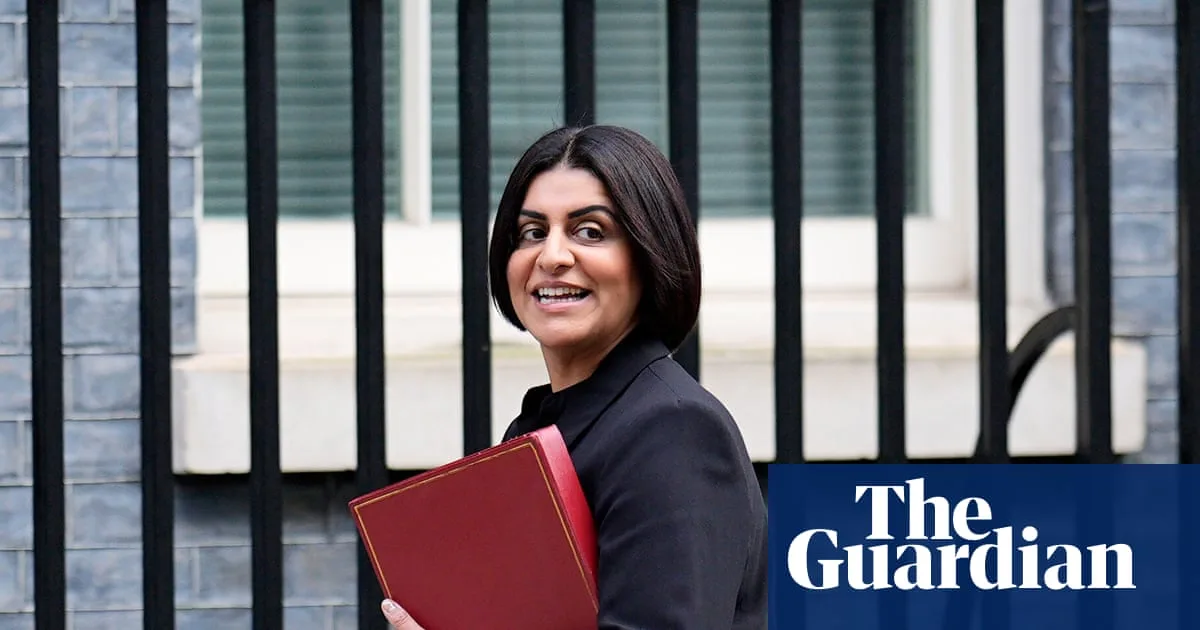
Home Secretary Shabana Mahmood has approved a Metropolitan Police request to ban the annual al-Quds Day march in London, citing a risk of serious public disorder. The decision, announced on Friday, marks the first time a protest march has been banned in the UK since 2012.
The pro-Palestinian march, organised by the Islamic Human Rights Commission (IHRC), was scheduled for Sunday. The Met Police raised concerns over potential violence, noting that previous marches resulted in arrests for supporting terrorist organisations and antisemitic hate crimes. The force stated that the ban was based on a risk assessment of this specific protest and counter-protests, amid the ongoing conflict in the Middle East.
Mahmood said she was satisfied the ban was necessary to prevent serious public disorder, given the scale of the protest and multiple counter-protests. She added that a stationary demonstration could proceed under strict conditions, and expected the full force of the law to be applied to anyone spreading hatred and division.
The IHRC strongly condemned the decision, calling it politically motivated and lacking evidence. The group confirmed a legal static protest would go ahead on Sunday. The Met Police said it would place strict conditions on any static protest, but acknowledged that confrontations could still occur given the tensions.
The ban follows calls from Labour and Conservative MPs to prohibit the march. Courts Minister Sarah Sackman had said those expressing support for Iran's regime and its proxies had no place in society. The IHRC has previously expressed support for Iran's former supreme leader, Ayatollah Ali Khamenei, describing him as a rare role model.