
Prime Minister Keir Starmer has confirmed plans to lower the voting age to 16 in time for the next general election, fulfilling a Labour manifesto promise. The move, which would extend the franchise to over a million 16- and 17-year-olds in England and Northern Ireland, is intended to boost democratic participation and align with existing rules in Scotland and Wales.
Proponents argue that encouraging voting while young people are still in education could instil a lifelong habit. They also cite fairness, as many in this age group work, pay taxes, or serve in the military. Starmer stated, 'If you pay in, you should have the opportunity to say how your money should be spent.'
However, critics question the effectiveness of the change. Polling by Merlin Strategy for ITV News found that only 18% of 16- and 17-year-olds said they would definitely vote if an election were held tomorrow, and half believed they should not yet have the vote. Additionally, more than a fifth viewed a military strongman with no elections positively.
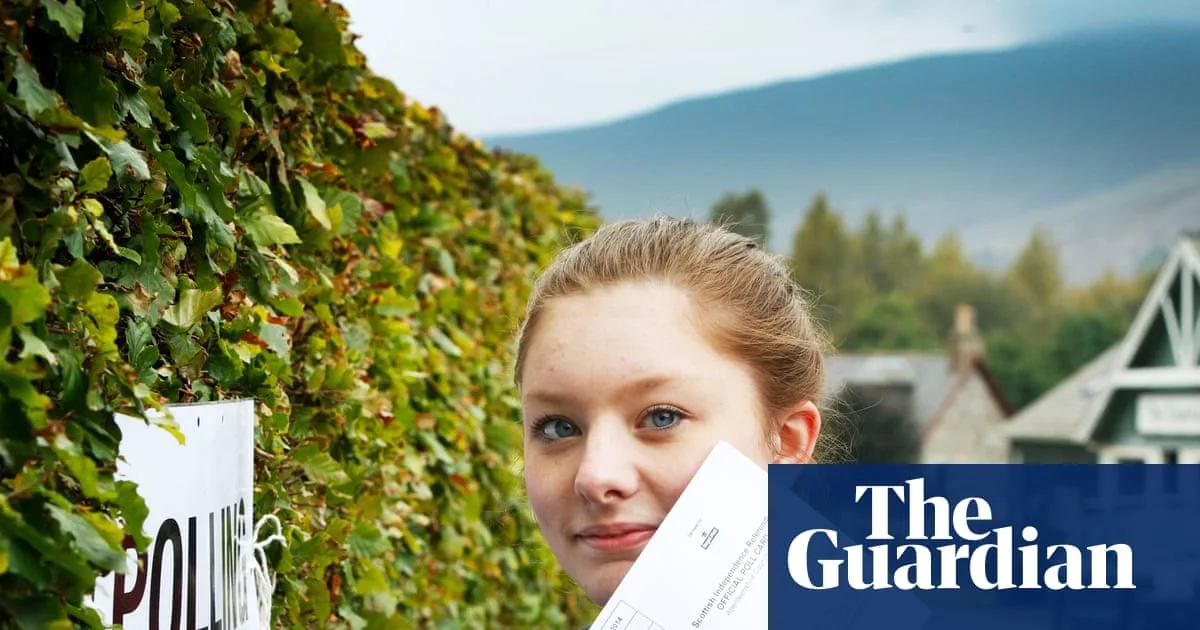
Evidence from Scotland and Wales is mixed. In Scotland's 2014 independence referendum, turnout among 16- and 17-year-olds was higher than for 18- to 21-year-olds. But in Wales' 2021 election, most 16- and 17-year-olds did not vote, and barely half registered. Dr Stuart Fox of the University of Exeter noted that lower voting ages have not significantly altered long-term voting habits.
Supporters like Harry Quilter-Pinner of IPPR argue that democracy is in crisis and that lowering the age, combined with automatic voter registration, could bring up to 9.5 million new voters into the system. The Conservatives have opposed the change, calling it 'confusing' that 16-year-olds could vote but not stand as candidates, buy alcohol, or marry.




