
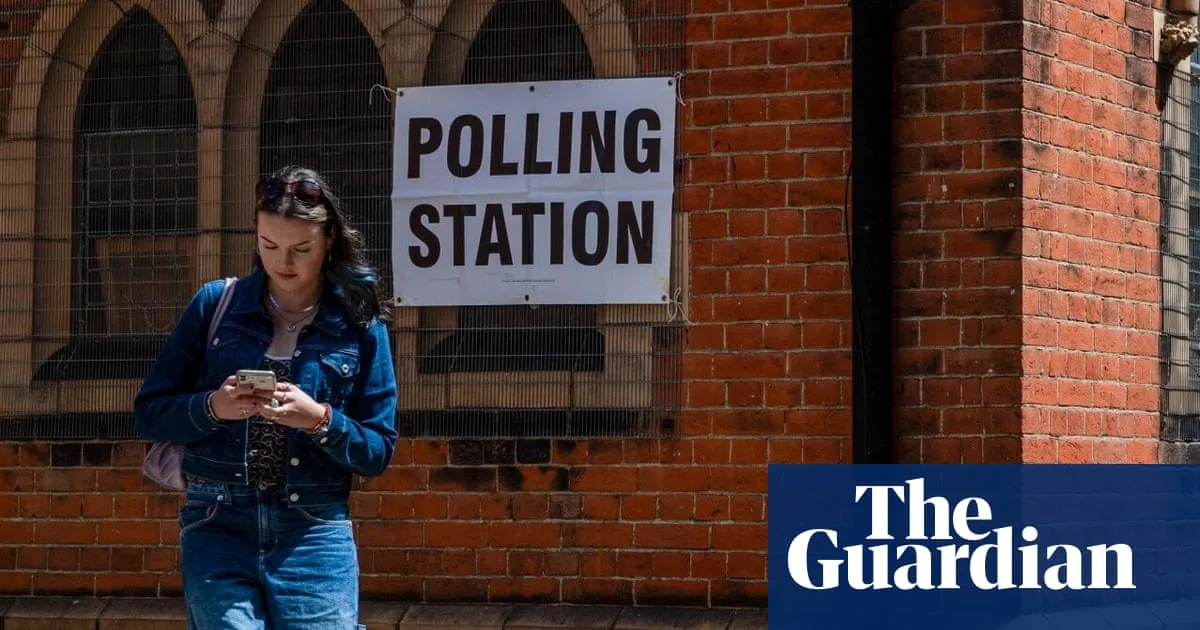
The UK government has announced plans to lower the voting age to 16 for all elections across the country, with the change expected to be in place by the next general election. The move, fulfilling a Labour manifesto promise, would extend the franchise to 16- and 17-year-olds, who the government argues should have a say on how taxes they pay are spent. Deputy Prime Minister Angela Rayner defended the reform, stating that concerns about potential political benefits to smaller parties like the Greens or Reform UK are unfounded, and that the focus should be on combating misinformation.
The change would bring the UK in line with Scotland and Wales, which have already lowered the voting age for devolved and local elections. It represents the most significant expansion of the electorate since 1969, when the voting age was reduced from 21 to 18. However, the reform has faced criticism from the Conservative Party, which argues it is inconsistent that 16-year-olds cannot legally smoke, drink alcohol, or buy a lottery ticket. Public opinion also appears divided, with a More in Common poll showing 48% oppose the change versus 27% in favour.
Alongside the voting age reduction, the government is introducing a package of electoral reforms, including extending accepted forms of voter ID to bank cards and veterans' cards, and tightening rules against foreign interference and abuse of candidates. The government will also move towards a system that simplifies voter registration, though it stops short of full automatic enrollment. On election financing, loopholes that could allow foreign money to influence UK elections will be closed, with fines of up to £500,000 for breaches and criminal penalties for false declarations.
Reform UK leader Nigel Farage accused the government of trying to rig the system, but said his party would actively court young voters. Analysis by More in Common suggests the electoral impact may be limited nationally, as newly enfranchised teens represent a small proportion of the electorate, though local effects could be significant in a fragmented political landscape. The changes have been welcomed by electoral reform campaigners, who see them as a step towards increasing democratic participation.




