Florida's Recreational Cannabis Amendment Among 22 Citizen Initiatives Failing 2026 Ballot
A proposed amendment to Florida's constitution that would have permitted recreational marijuana use for adults has failed to qualify for the 2026 ballot, state officials confirmed this week. The initiative was one of twenty-two citizen-led proposals that did not meet the legal requirements for placement on the November general election ballot.
Signature Shortfall and Department of State Announcement
The Florida Department of State announced on Sunday that none of the active proposed constitutional amendments by initiative petition had satisfied the necessary criteria. The deadline for signatures to qualify for the midterm election was Sunday, with state records indicating the marijuana amendment fell approximately 100,000 signatures short of the required 880,062 on Monday.
Smart & Safe Florida, the group behind the cannabis amendment, contested the declaration, stating in a release: "We believe the declaration by the Secretary of State is premature, as the final and complete county-by-county totals for validated petitions are not yet reported." The group asserted they submitted over 1.4 million signatures and believe they will have sufficient numbers once all petitions are processed.

Political Context and Legislative Hurdles
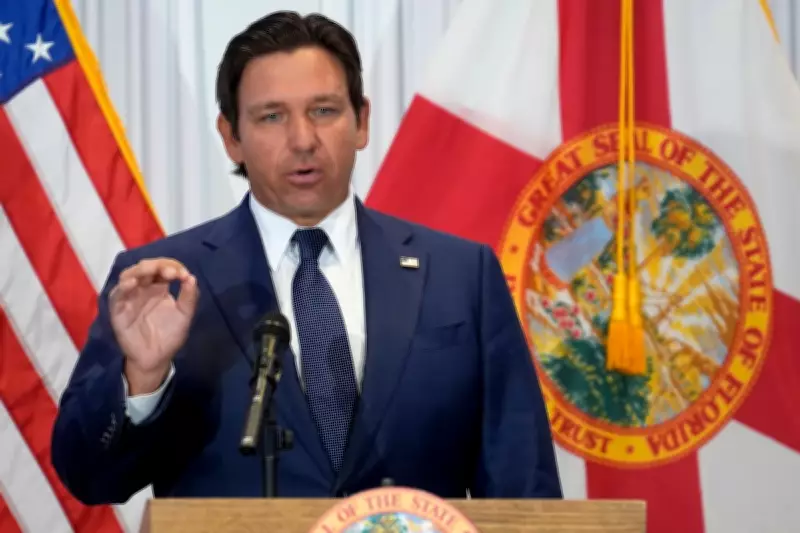
This exclusion follows a protracted clash between progressive organisers aiming to amend the state's constitution and Republican Governor Ron DeSantis. In 2024, the governor utilised state funds and his political influence to campaign successfully against efforts to legalise adult personal use of marijuana and expand abortion rights.
For years, Florida voters have relied on the citizens' ballot initiative process to circumvent the Republican-dominated Legislature and advance progressive policies, such as increasing the minimum wage and restoring voting rights for individuals with felony convictions.
Last May, Governor DeSantis signed legislation introducing new obstacles for citizen-driven ballot initiatives. Critics argue these changes render it prohibitively expensive and virtually impossible for grassroots campaigners to place issues on the ballot. Since the law's enactment, a campaign to expand Medicaid in the state has postponed its push until 2028.
Broader Implications for Citizen-Led Democracy
The failure of all twenty-two initiatives underscores the escalating challenges facing direct democracy mechanisms in Florida. The situation highlights the tension between populist advocacy and state-level political control, with significant implications for future policy debates on issues ranging from healthcare to criminal justice reform.
As the 2026 election cycle approaches, the outcome may influence national discussions on ballot access and the role of citizen initiatives in shaping state constitutions across the United States.