
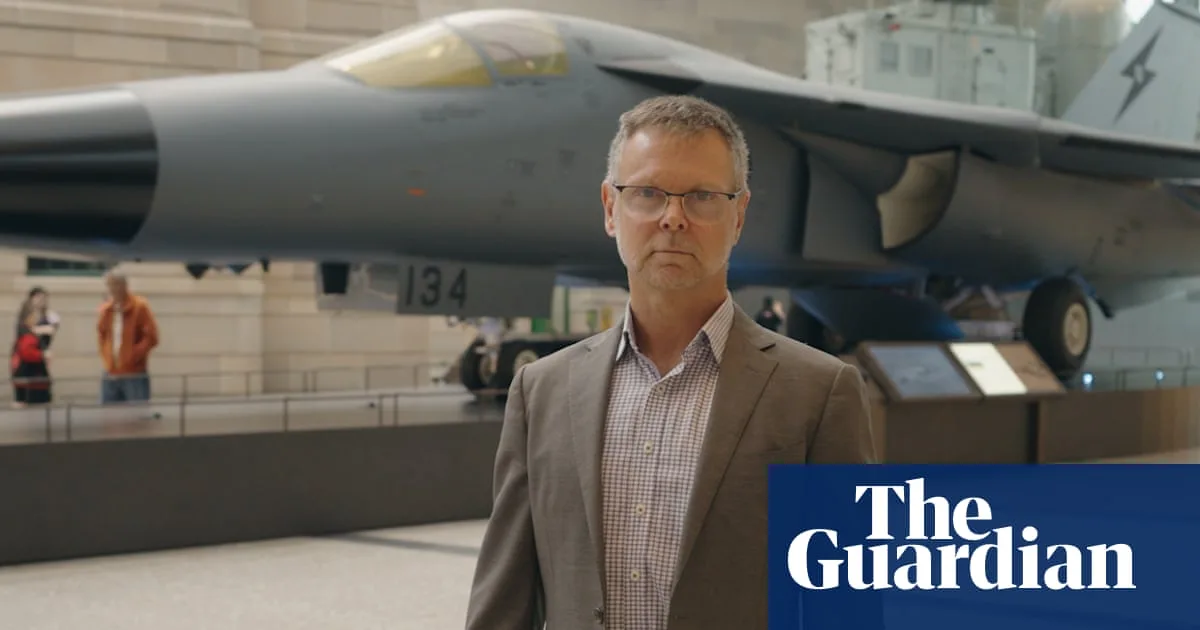
Retired Group Captain Lyle Holt, a former supersonic strike navigator, has uncovered his Indigenous Palawa ancestry after decades of family secrecy. The discovery came in 2015 when Holt examined newly digitised mission records from Flinders Island, Tasmania.
Holt, whose RF-111C strike reconnaissance aircraft is now a centrepiece of the Australian War Memorial's Anzac Hall, served in Afghanistan and Iraq and commanded the United Nations command-rear in Tokyo. Throughout his career, he was unaware that his family's First Nations lineage had been concealed in official records.
His grandfather, Harold John Holt, enlisted for World War I as a 'natural born British subject'—a bureaucratic label that rendered Indigenous soldiers administratively invisible. Michael Bell, the memorial's Indigenous liaison officer, notes that this classification allowed the state to benefit from their service while perpetuating the myth that Indigenous people no longer existed.
For many Indigenous families, this lack of official heritage record also provided protection from the systemic removal of children. However, when it came to land distribution under the soldier settlement scheme, Indigenous veterans were often redirected to existing missions rather than granted new pastoral blocks.
Harold was eventually allocated land on Flinders Island, but it was already part of his father's holdings. Bell has found examples of Aboriginal men receiving just five acres from a mission as reward for their service, while white soldiers were given new opportunities in the pastoral industry.
Holt's journey to uncover his heritage began with fragile family documents: a 1919 wedding photograph and a 1967 newspaper clipping. The digitised archives finally allowed him to trace his ancestry and understand the 'hushed tones' that had surrounded his family's past.




