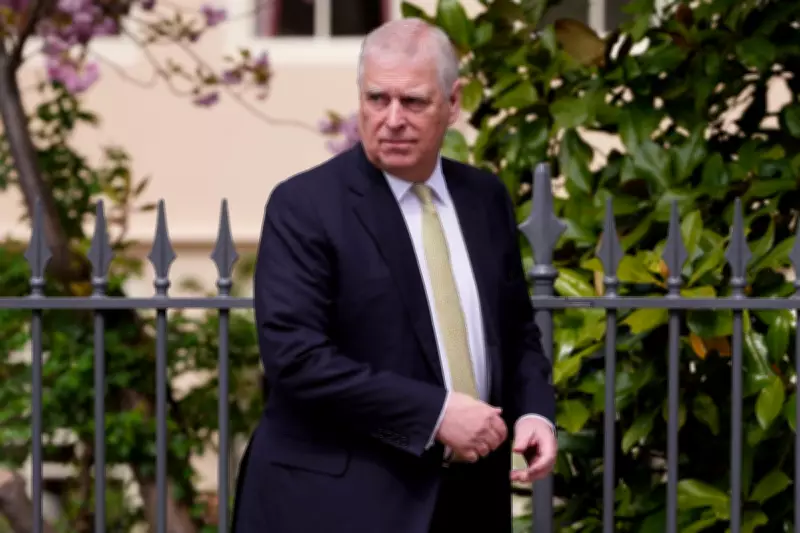
The UK government is set to release confidential papers related to the former Prince Andrew's appointment as trade envoy, months after lawmakers accused the king's brother of prioritizing his friendship with Jeffrey Epstein over national interests.
Background of the Scandal
Lawmakers approved a motion in February demanding the publication of documents after Andrew Mountbatten-Windsor, formerly known as Prince Andrew, was arrested on charges related to allegations that he shared government reports with Epstein while serving as trade envoy. The move followed the US Justice Department's release of millions of pages of documents concerning Epstein, revealing how the financier exploited an international network of wealthy and powerful associates to gain influence and sexually exploit young women and girls.
Impact on the UK Establishment
The fallout has been particularly intense in the UK, raising questions about the power wielded by the aristocracy, senior politicians, and influential businessmen—collectively known as 'the Establishment.' During a parliamentary debate on Mountbatten-Windsor's links to Epstein, government ministers and lawmakers demanded greater accountability from the royal family.

Trade Minister Chris Bryant described Mountbatten-Windsor as engaged in a constant 'self-enriching hustle' during his time as a working royal, calling him a 'rude, arrogant, and entitled man who could not distinguish between the public interest and his own private interest.'
Loss of Royal Title
Mountbatten-Windsor was stripped of his royal title last year as King Charles III sought to shield the monarchy from the growing Epstein scandal. The former prince served as a special envoy for international trade from 2001 to 2011, when he was forced to resign due to concerns about his associations with questionable figures in Libya and Azerbaijan.