UK Funeral Industry Faces 'Frankenstein' Scandal as Families Demand Regulation
Families across the United Kingdom are raising alarms about potential "Frankenstein" funeral directors operating nationwide, following a horrific case in Hull where bodies were stockpiled and ashes may have been mixed up. The scandal has exposed a critical lack of oversight in the funeral industry, with victims warning that similar abuses could be occurring elsewhere.
Daughter's Torment Over Parents' Ashes
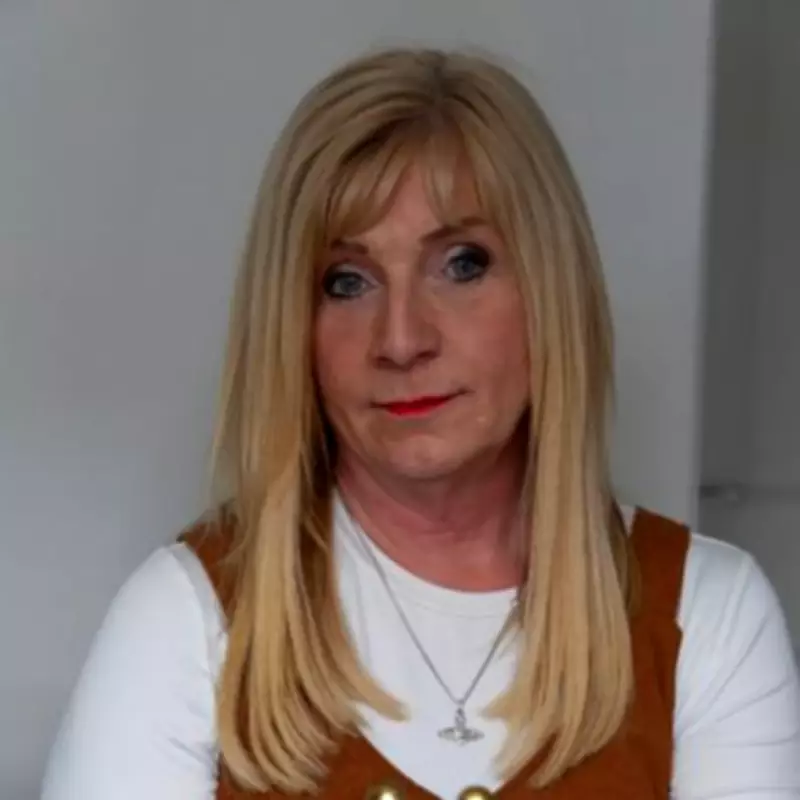
Karen Dry, 57, from Cottingham in Hull, has revealed she may not possess her parents' actual ashes after using Legacy Independent Funeral Directors. She described the company's owner, Robert Bush, as "Frankenstein" and "a monster," and plans to visit him in prison to demand answers. "He's Frankenstein, he's a monster, but I need to ask him why?" she told reporters.
On Thursday, Bush, 48, pleaded guilty at Hull Crown Court to 30 counts of preventing lawful burial and one charge of theft from charities including the Salvation Army and Macmillan Cancer Support. This follows his October admission to 35 counts of fraud and one count of fraudulent trading.

Shocking Discoveries at Funeral Premises
Police investigations uncovered 35 bodies and 67 sets of ashes at Bush's Hessle Road premises in Hull. Authorities believe five bodies did not meet prosecution time thresholds. The discovery revealed that families who believed their loved ones had been cremated actually had bodies left decomposing for months or even years.
Karen Dry used Legacy for both her parents' arrangements: her father Allan Gordon Griffin, who died at 83 in March 2016, and her mother, who passed away at 86 in 2019. "He was the consummate professional, very empathetic; he seemed very professional. I had no reason to doubt or question what he'd done," she recalled, adding she now feels "mugged" and "fooled twice."
Personal Rituals with Uncertain Remains
Despite her uncertainty, Karen has created necklaces from the ashes for her grandchildren, kept a heart-shaped ornament at home, and scattered remaining ashes at the crematorium. "I have no idea if the ashes I've got are actually my parents," she confessed. "But if the ashes I have turn out not to be my mum and dad then they're being loved and respected as if they are my mum and dad."
She even takes the ashes on holiday, including to Japan last year, finding comfort in treating them as her parents regardless. "If somebody's got my parents that isn't me, as long as you do the same, we're all okay, aren't we?" she reflected.
Industry's Regulatory Vacuum
The case has highlighted what families describe as a "judicial black hole" in funeral industry regulation. Currently, anyone can establish a funeral business without mandatory registration, inspections, or statutory oversight. The industry's two trade bodies—the National Association of Funeral Directors and the National Society of Allied and Independent Funeral Directors—maintain voluntary codes without legal enforcement.
"If we've got a Frankenstein funeral director here in Hull, how many more are there that still have not been identified?" Karen questioned. "There'll definitely be more than just this one in this country. There's probably more Frankensteins elsewhere - hiding in plain sight."
Broader Pattern of Abuse
This is not an isolated incident. Earlier this year, Richard Elkin and Hayley Bell of Elkin and Bell Funerals in Gosport, Hampshire, received four-year sentences for keeping decomposing bodies in horrific conditions. Police described relying on common law charges due to absent specific legislation.
The David Fuller Inquiry, investigating necrophiliac abuses in hospital morgues, similarly revealed an "unregulated free-for-all" where individuals could operate funeral services from homes and garages. A BBC investigation also exposed cases where babies' bodies were kept in funeral directors' living rooms, though no crimes were prosecuted.
Families Demand Legislative Action
Victims are calling for immediate statutory regulation, including annual inspections, proper record-keeping, and criminal accountability. "I think we need a vote on legislation to hold funeral directors criminally responsible for their businesses 100%," Karen insisted. "Until that happens, nobody is safe in death."

Tristan Essex, whose grandmother's remains were found at Legacy, stated: "The fact that there's no regulation is absolutely ridiculous. They control everything else we do, why can't they do right by us when we die?"
Michaela Baldwin, whose stepfather was among the discovered bodies, emphasized: "The fact that it's harder to open a sandwich shop than a funeral parlour is absolutely disgusting."
Government Response and Future Outlook
The Labour government has acknowledged the issue, with cross-departmental work underway since autumn 2025. Officials indicated a decision on statutory regulation would come by summer this year. Karen Dry remains determined: "I don't want anybody else in this country to feel how I feel. We cannot put any, not one single more family through what we have been through."
She urges public discussion about death arrangements: "Go and choose your funeral director before you die. At least it will give you some peace of mind." As the scandal unfolds, families nationwide await meaningful reform to prevent further "Frankenstein" operations from exploiting the vulnerable in their final moments.