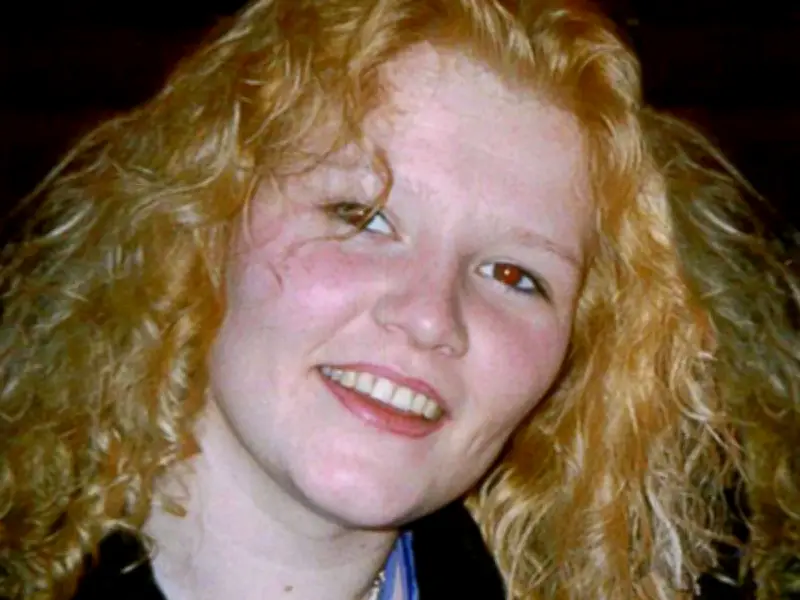
First Minister John Swinney has dismissed fears that a public inquiry into the police investigation of Emma Caldwell's murder will be a "cover-up", insisting the probe will "get to the truth" about what happened.
He spoke out as concerns were raised in Holyrood that the inquiry would only cover up to 2015 – some nine years before serial rapist Iain Packer was convicted of Ms Caldwell's murder. The 27-year-old was killed by Packer in 2005, but he was not convicted until almost two decades later in 2024.
Concerns over limited scope
Labour's Pauline McNeill raised concerns in Holyrood that the inquiry, to be chaired by judge Lord Scott, would not "cover the critical period during which detectives are accused of ignoring damning evidence against Emma's killer".
Packer "continued to rape and abuse women" after 2015, Ms McNeill said, adding that "limiting the terms of reference was clearly done on purpose in order to continue to cover up the full truth". As a result she warned Ms Caldwell's mother Margaret – who campaigned for the inquiry to be held – and the rest of the family "will not get the answers they deserve".
First Minister's response
Pressing him on the issue at First Minister's Questions for backbench MSPs, Ms McNeill demanded to know "why the public inquiry into the death of Emma Caldwell will only cover the period up to 2015", and asked the SNP leader if he could "understand why Emma's family fear another cover-up?".
The inquiry, which will examine the police response to the case, was announced in March 2024, just a week after Packer was sentenced to life imprisonment with a minimum term of 36 years behind bars for the murder.
Mr Swinney told Holyrood: "We have no interest other than making sure Mrs Caldwell gets to the truth, and that is what I believe will happen as a consequence of Lord Scott's inquiry."
He praised Mrs Caldwell for the "great tenacity" she had shown after experiencing "the most unbearable suffering in the loss of her daughter".
Inquiry terms and family concerns
The First Minister added that while Scottish ministers were responsible for setting the terms of reference of the inquiry, it was for the inquiry chair to consider how these are interpreted and applied.
Mr Swinney added: "Ministers have always been clear that the inquiry's terms of reference allow the chair to look at wider issues he considers relevant to ensure an efficient and robust inquiry."
He said that was "probably as far as I should go", with the First Minister saying further comments could see him "at risk of interfering in the detail of the inquiry, which is expressly prohibited".
He stated: "I hope that Mrs Caldwell and her family are assured that the inquiry led by Lord Scott will get to the truth about this matter."
However in a statement read by lawyer Aamer Anwar earlier this year, Mrs Caldwell raised concerns it would be a "travesty of justice and a further betrayal of our Emma and the many women who suffered at the hands of the evil man Packer" if the inquiry fails to consider the actions of Police Scotland.
The nationwide police force was formed in 2013, replacing eight regional forces that had covered Scotland, including Strathclyde Police which had carried out the original investigation into Ms Caldwell's killing.