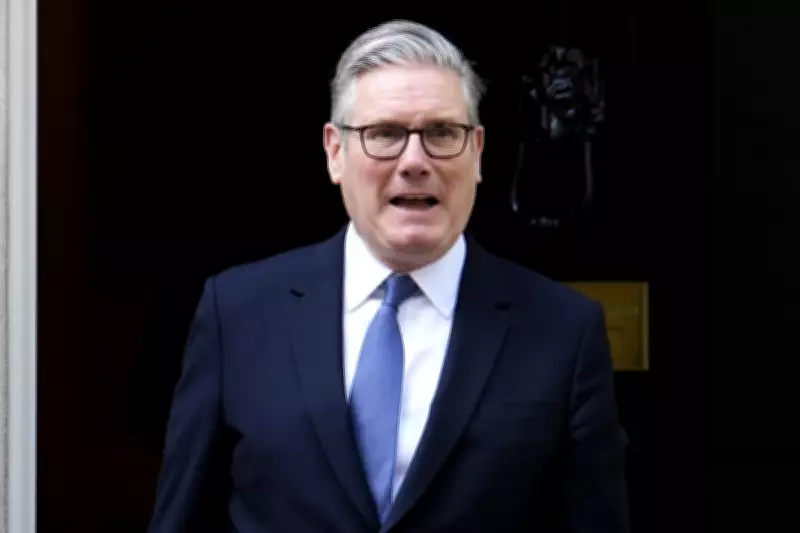
Sir Keir Starmer has stood by his decision to sack former Foreign Office chief Sir Olly Robbins over the vetting process for Lord Peter Mandelson, insisting that only the “everyday pressure of Government” was applied to clear the peer’s appointment as ambassador to Washington.
Prime Minister’s Defence
The Prime Minister maintained that Sir Olly was wrong not to inform him of the outcome of the so-called developed vetting process, and stressed he would not have proceeded with the appointment had he known the full details. Sir Olly had earlier claimed there was an “atmosphere of pressure” and “constant chasing” from Downing Street during the checks. However, Sir Keir told The Sunday Times that “no pressure existed whatsoever in relation to this case” during Prime Minister’s Questions this week.
Sir Keir elaborated on the distinction between different types of pressure. “There’s pressure – ‘Can we get this done quickly?’ – which is not an unusual pressure. That is the everyday pressure of Government,” he said. He contrasted this with pressure to “disregard the security vetting element and give clearance”, which Sir Olly “was really clear in his mind wasn’t pressure that was put on him”.

Vetting Concerns
MPs on the Foreign Affairs Committee revealed that UK Security Vetting (UKSV) had ticked two red boxes on Lord Mandelson’s form, indicating “high concern” and recommending “clearance denied or withdrawn”. When asked if he regretted firing Sir Olly so swiftly after the vetting information emerged, Sir Keir responded: “When there’s a double red flag not to give clearance and (showing) high concern, then I’m sorry. I’m sorry. But I do not accept the argument that that is something which should not be told to the Prime Minister.”
He described the failure to inform him as a “fundamental matter”, not only at the time of the appointment but also later. “I was going out saying that (Mandelson’s) clearance has been given. I’m afraid not bringing that to my attention, it’s not a small matter. It’s a fundamental matter,” he said.
Rejection of Curiosity Claims
Sir Keir rejected suggestions that he could have been more inquisitive about the clearance process. “When I’m told there’s security clearance, should I go back and quiz officials and say: ‘Are you telling me the truth?’” he asked. Earlier this week, the Prime Minister asserted that Sir Olly’s evidence to the Foreign Affairs Committee had put to rest any claims that Sir Keir misled Parliament.
Ongoing Scrutiny
Questions over the vetting scandal will continue into next week when Sir Keir’s former chief of staff, Morgan McSweeney, is due to appear before the committee. Foreign Office official Ian Collard, who Sir Olly said briefed him on the vetting findings that deemed Lord Mandelson a borderline case and leaned towards recommending denial of clearance, will provide written evidence. The committee had requested his personal appearance, but chair Dame Emily Thornberry confirmed on Saturday that the Foreign Secretary had declined this request. She has set out questions for Mr Collard to answer ahead of Tuesday’s session, including whether he felt under pressure to deliver Lord Mandelson’s clearance and to detail his recollection of the meeting with Sir Olly about the vetting.
Sir Keir has faced calls to resign amid the fallout from the Mandelson vetting scandal, with Cabinet divisions reportedly emerging over his handling of the process, including the decision to sack Sir Olly. He is also under increasing pressure as May’s elections for English councils and the Scottish and Welsh parliaments approach. YouGov projections this week indicated that Labour was on course for disastrous results in its former London and Welsh strongholds. Despite this, Sir Keir told The Sunday Times that he would fight the next general election and believes Labour can win.