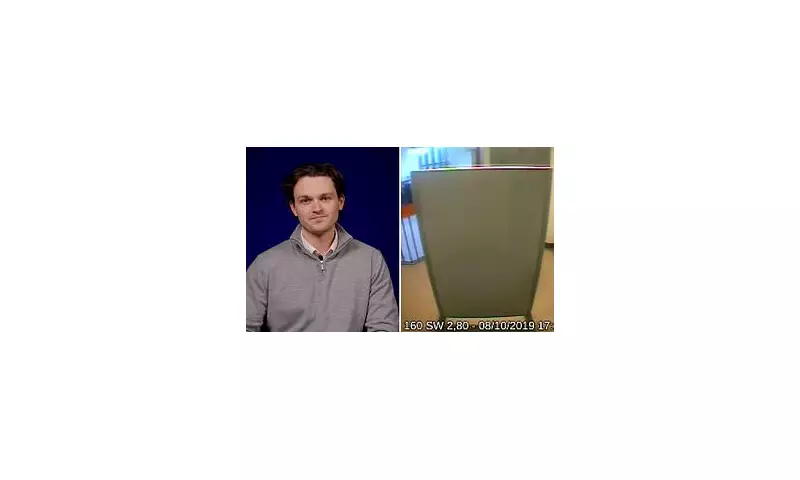
Pam Bondi, a key figure in the Jeffrey Epstein case, is facing intensifying scrutiny and demands for answers regarding significant gaps in surveillance footage from the prison where the financier died.
Latest Evidence Release Deepens Mystery
The pressure stems from the latest tranche of evidence disclosed by the US Department of Justice under the Epstein Transparency Act. This eighth release included hours of video from inside the Manhattan Correctional Center, the facility where Epstein was found dead in his cell in August 2019.
However, rather than providing clarity, the newly public material has fuelled further controversy. Investigators and observers have identified that crucial footage is either entirely missing or appears to have been tampered with, casting a long shadow over the official narrative of Epstein's death.

Mounting Questions Over Circumstances
The focus is now squarely on Pam Bondi, a former Florida attorney general who served on the Justice Department's Victims' Rights working group related to the Epstein case. Critics and legal experts are demanding she explain the discrepancies in the video evidence.
The central issue is that the incomplete and potentially altered footage makes it impossible to independently verify the events leading up to and surrounding Epstein's death. This has led to widespread speculation and persistent conspiracy theories, undermining public confidence in the investigation's conclusions.
Hours of footage were released, but the gaps within them are seen as more telling than the content that remains. The disclosure marks the eighth major evidence dump, yet each release seems to generate more questions than it resolves about the circumstances of the late financier's demise.
A Transparency Act That Lacks Clarity
The Epstein Transparency Act was designed to bring sunlight to one of the most notorious criminal cases of the modern era. Its purpose was to provide victims and the public with a comprehensive understanding of the failures that allowed Epstein to operate and the events leading to his death in federal custody.
Paradoxically, this latest action under the act has highlighted the very opacity it sought to dispel. The condition of the surveillance footage suggests either catastrophic failures in prison protocol or something more sinister. Until a satisfactory explanation for the missing video is provided by officials like Bondi, the mystery will only deepen.
The mounting pressure on Pam Bondi underscores a critical point: transparency is only as good as the evidence being made transparent. When that evidence is compromised, public trust evaporates, and the search for truth becomes exponentially more difficult.