Epstein Documents Reveal Personal Email Attributed to Melania Trump to Ghislaine Maxwell
A startling email that appears to show Melania Trump sending her "love" to Ghislaine Maxwell has emerged from the latest release of documents related to the Jeffrey Epstein case. The correspondence, dated from 2002, forms part of a massive three-million-page cache of materials, including photos and videos, that was made public by the US Justice Department this week.
Content of the Controversial Email Exchange
The email in question, which features redacted sender details but is signed "Love, Melania", opens with a friendly greeting to "Dear G!" It references a New York Magazine article from October 2002 titled "Jeffrey Epstein: International Moneyman of Mystery", with the writer remarking that Maxwell looked "great on the picture" accompanying the piece.
In the message, the sender inquires about Maxwell's travels, asks about her time in Palm Beach, and expresses eagerness to meet up in New York, where Melania Trump was residing at that period. The email concludes with an invitation for Maxwell to "give me a call when you are back in NY" and wishes her a great time.

Response from 'G. Max' and Historical Context
A reply attributed to "G. Max" addresses the sender as "sweet pea" and thanks them for the message. The response indicates changed travel plans and regrets about not having time to meet, but promises to try calling. This exchange highlights the social connections between the individuals involved during the late 1990s and early 2000s.
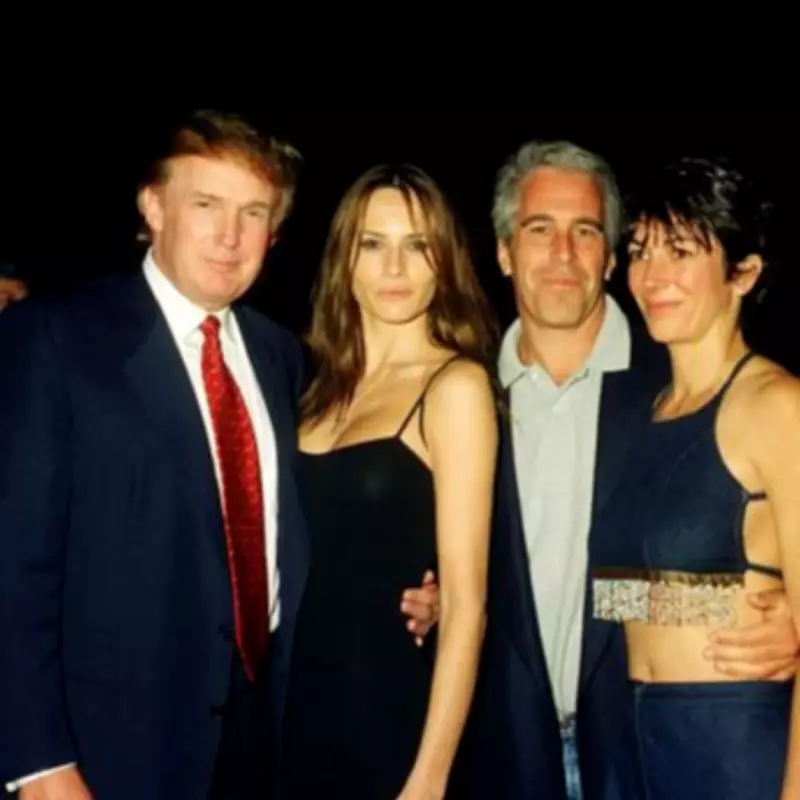
Photographic evidence from that era shows Melania Trump socialising with Jeffrey Epstein, Prince Andrew, and associate Gwendolyn Beck at events such as a party at Mar-a-Lago in 2000. These images underscore the overlapping social circles that are now under renewed scrutiny following the document release.
Broader Implications and Trump Family Mentions
The latest document drop also references Donald Trump in connection with allegations made to an FBI whistleblower hotline. According to the files, tips were received claiming information about the former president and underage abuse, though these were noted as being dismissed as not credible by authorities.
The Department of Justice has issued a statement clarifying that some documents contain unfounded and false claims against President Trump, emphasising that mere mention in the Epstein files does not imply guilt or wrongdoing. This context is crucial for understanding the complex nature of the released materials.
As the public digests this new information, it serves as a reminder of the intricate web of relationships surrounding the Epstein case and the ongoing legal and social ramifications more than two decades later.