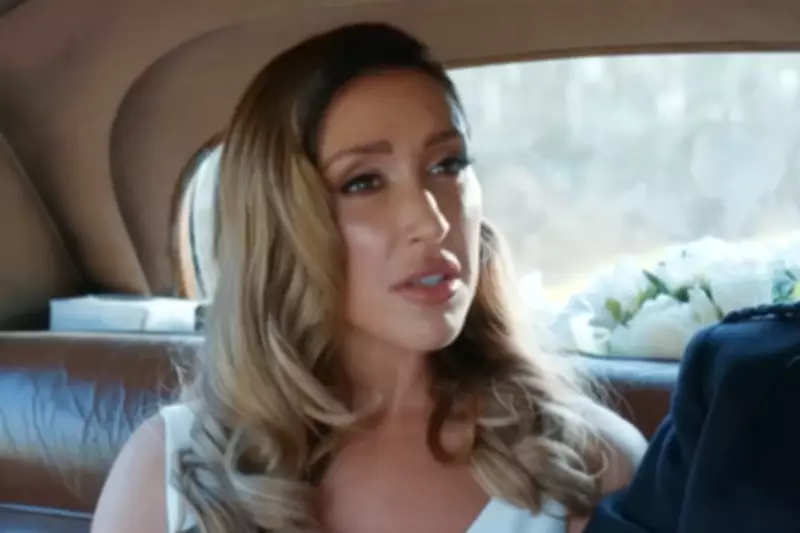
The shocking rape allegations from former participants of Married at First Sight UK have raised serious questions about the ethics of reality television and the role of viewers in perpetuating harmful formats. The show, which pairs strangers in marriages, has been pulled from streaming platforms after a BBC Panorama investigation revealed harrowing accounts of sexual assault during filming.
The Allegations
Two women, referred to as Lizzie and Chloe, alleged that they were raped by their on-screen partners. Lizzie claimed her partner threatened her with acid if she spoke out, while Chloe said her partner ignored her refusal and forced himself on her. A third participant, Shona Manderson, alleged non-consensual ejaculation. All accused deny the claims, and production company CPL asserts its welfare protocols are gold standard.
Industry Scrutiny
The revelations have prompted an external review by Channel 4, which says it acted promptly on welfare concerns. However, critics argue the format itself—expecting intimacy from strangers—is inherently risky. Dame Caroline Dinenage, chair of the Culture, Media and Sport Committee, called it an accident waiting to happen.

Broader Context
This is not an isolated incident. Love Island has faced scrutiny over contestant mental health, and The X Factor and America's Next Top Model have also been criticised for duty of care failures. Ofcom introduced new safeguarding rules in 2021, but questions remain about their effectiveness.
Viewer Responsibility
The article argues that viewers share blame for demanding dramatic, high-stakes content. As long as audiences consume these shows as guilty pleasures, the cycle of exploitation may continue. It calls for a reassessment of our role in supporting ethical television.
If you or someone you know has been affected by rape or sexual abuse, support is available from Rape Crisis (0808 802 9999 in England and Wales) or the Samaritans (116 123).