
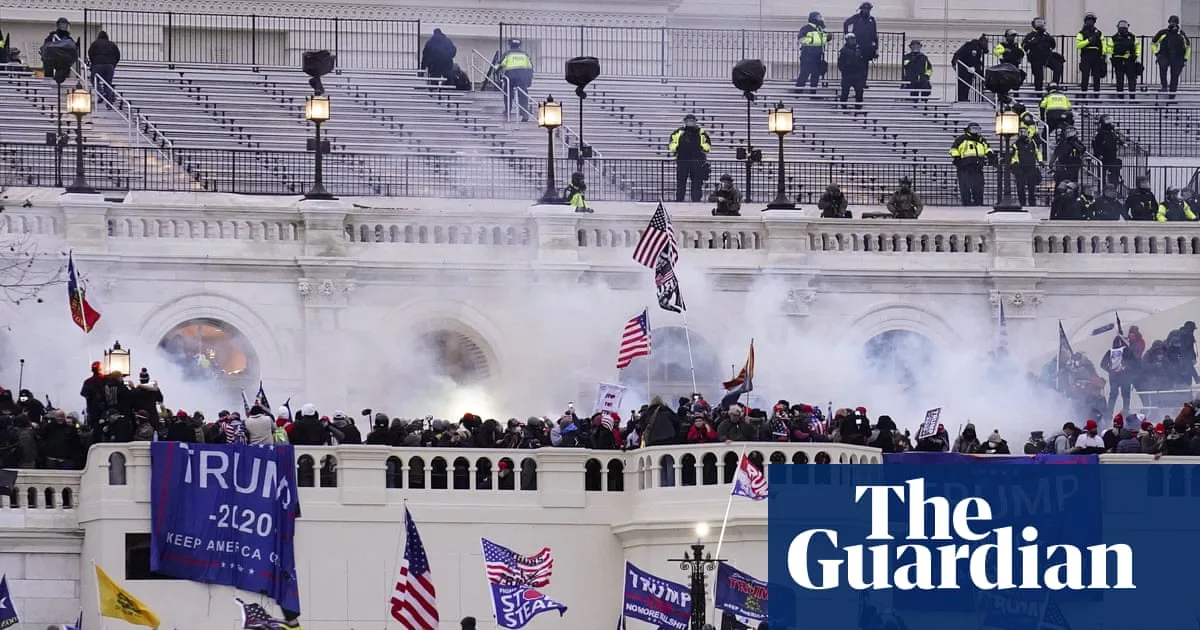
A $1.776 billion 'anti-weaponization' fund launched by Donald Trump's justice department is facing fierce criticism from legal experts and politicians across the spectrum, who label it a corrupt 'slush fund' that improperly benefits January 6 rioters and the president himself.
The fund, unveiled by acting attorney general Todd Blanche on 18 May to settle a $10bn lawsuit Trump filed against the IRS, includes an addendum blocking IRS probes into Trump, his sons, and their businesses. Critics say the opaque scheme echoes Trump's false claims of a 'weaponized' Biden administration.
A bipartisan group of 35 former federal judges filed a motion on 27 May urging a Miami judge to reopen Trump's IRS lawsuit and investigate whether the settlement involved fraud. The judge reopened the case on 29 May, citing potential 'deception'. Separately, a Virginia federal judge temporarily blocked the fund's setup on 29 May, pending a 12 June hearing.
Ex-DoJ inspector general Michael Bromwich called the fund 'crazy and corrupt', describing it as 'an attempted political payoff to criminals'. Former deputy attorney general Donald Ayer termed it 'outright theft', adding that the IRS addendum grants 'blank check immunity' to Trump and his affiliates.
No payments have been made yet. The DoJ said on Monday it would abide by the court order blocking the fund. Axios reported the fund is 'dead for now', citing unnamed sources. Trump told ABC News: 'We are subject to the courts.'




