Louvre Museum Hit by Major Ticket Fraud Scandal, Nine Arrested
Louvre Museum Ticket Fraud: Nine Arrested in €10m Scandal

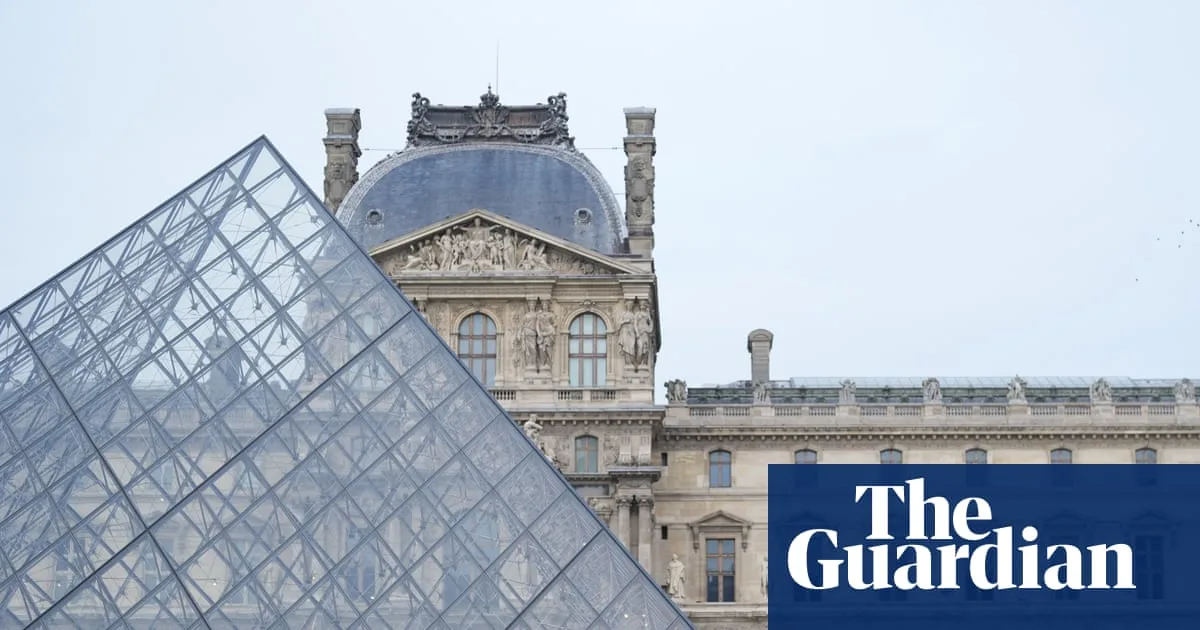
In a significant blow to one of the world's most iconic cultural institutions, the Louvre Museum in Paris has been embroiled in a major ticketing fraud scandal, with French authorities arresting nine people suspected of orchestrating a scheme worth approximately €10 million (£8.7 million). The investigation, which has sent shockwaves through the art world, highlights growing concerns over security and integrity at the globally renowned museum.

Details of the Fraudulent Operation

According to the Paris prosecutors' office, those detained include two Louvre employees, several tour guides, and an individual believed to be the mastermind behind the elaborate fraud network. The museum spokesperson confirmed to Agence France-Presse that based on available information, they suspect a large-scale organised fraud operation, prompting the Louvre to report the incident to police, which ultimately led to the arrests.

How the Scam Unfolded

The suspected fraud primarily targeted Chinese visitors, with tour guides allegedly reusing the same tickets multiple times for different people to bypass entry fees. Investigators estimate that this network may have brought in up to 20 tour groups daily over the past decade, exploiting loopholes in the museum's ticketing system. Surveillance and wiretaps revealed a strategy of splitting tour groups to avoid paying mandatory "speaking fees" imposed on guides, as reported by the Associated Press.

Wide Pickt banner — collaborative shopping lists app for Telegram, phone mockup with grocery list

Furthermore, the investigation uncovered suspected accomplices within the Louvre itself, with guides allegedly paying cash bribes to avoid ticket checks. This internal corruption has raised serious questions about oversight and staff integrity at the institution.

Legal and Financial Repercussions

A formal judicial investigation was initiated in June, with charges including organised fraud, money laundering, corruption, aiding illegal entry as part of an organised group, and the use of forged administrative documents. Authorities have seized over €957,000 in cash, including €67,000 in foreign currency, and €486,000 from bank accounts. Suspects are believed to have invested some of the illicit funds in real estate in France and Dubai, indicating the scale and sophistication of the operation.

Broader Context of Louvre Crises

This scandal is the latest in a series of crises to hit the Louvre, which is still recovering from a high-profile heist on 19 October. During that incident, a gang broke into the museum through a window in broad daylight, stealing an estimated €88 million worth of French crown jewels in just seven minutes before fleeing on scooters. Although four men have been arrested and are under formal investigation, the jewels remain unrecovered.

In response to the rising tide of ticketing fraud, the Louvre has implemented a "structured" anti-fraud plan in collaboration with staff and police. However, the museum continues to face internal challenges, including recent strikes by trade unions demanding urgent renovations, staffing increases, and protesting against ticket price hikes for non-EU visitors such as British, American, and Chinese tourists.

Implications for Museum Security and Tourism

The fraud scheme underscores vulnerabilities in ticketing systems at major tourist attractions, particularly those catering to international visitors. With the Louvre being the world's most visited museum, this incident could have far-reaching effects on trust and security protocols across the cultural sector. Authorities are now intensifying efforts to clamp down on such fraudulent activities, aiming to restore confidence among tourists and stakeholders alike.

Pickt after-article banner — collaborative shopping lists app with family illustration