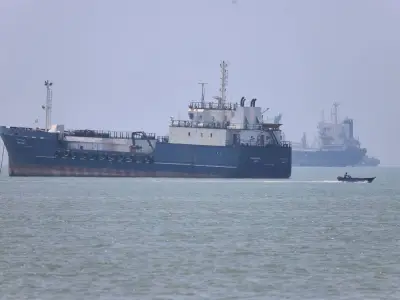
An outbreak of hantavirus on the Dutch cruise ship MV Hondius, which departed from Argentina, has been linked to a landfill trip. Three passengers died from the Andes strain of the virus, which is known to spread between humans and is found mainly in Argentina and Chile. The World Health Organization (WHO) has ruled out an epidemic and is investigating whether transmission occurred before boarding.
Argentina has a long history with hantavirus, first documenting person-to-person transmission in Patagonia 30 years ago. Since making the infection mandatory to report in 1996, the country has seen consistent cases and outbreaks. Recent figures show 101 cases and 32 deaths since July last year, slightly above previous seasons but within historical averages of about 100 cases annually.
Scientists attribute the slight increase to climate change affecting rodent behaviour. A drought in 2023-2024 followed by increased rainfall led to more vegetation and food for rodents, which carry the virus. Dr Raúl González Ittig noted that global heating could cause cases to emerge in new areas. However, the WHO emphasises that the risk to the general population remains low.

Argentina’s health ministry plans to capture rodents along the route taken by the Dutch couple who first developed symptoms. They had been in Argentina since November, travelling to Chile and Uruguay before boarding in Ushuaia. The ministry notes that Tierra del Fuego, the province of departure, has had no confirmed hantavirus cases in 30 years.
The WHO director general, Tedros Adhanom Ghebreyesus, urged Argentina to reconsider its decision to leave the organisation, stating that “viruses don’t care about our politics”.