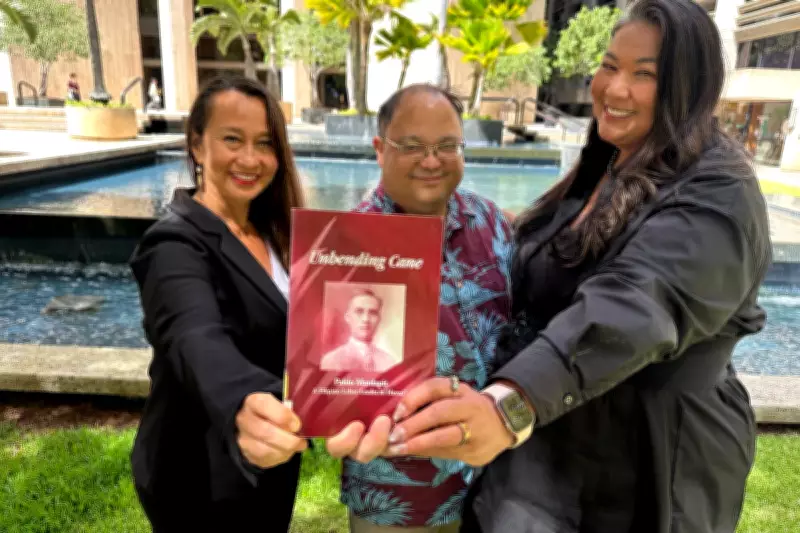
A group of Filipino lawyers in Hawaii is seeking to overturn the conspiracy conviction of Pablo Manlapit, a pioneering labor leader who organized Filipino workers on sugar plantations in the early 20th century. Manlapit, who migrated to Honolulu in 1910, became Hawaii's first Filipino lawyer and founded a labor union demanding equal pay and an eight-hour workday. His efforts, which included persuading higher-paid Japanese workers to join, led to his implication in the 1924 Hanapepe Massacre, where 16 strikers and four police officers were killed. Manlapit was imprisoned, exiled, and later deported, dying in obscurity in 1969.
Renewed Interest in Filipino Contributions
Recent allegations against César Chavez have sparked renewed focus on Filipino contributions to the U.S. farmworker movement. The Hawaii Filipino Lawyers Association, led by president Daniel Padilla, is now working to clear Manlapit's name. Padilla noted that many second-generation Filipino Americans are unaware of these stories. The association aims to elevate Manlapit's place in history and restore what was taken from a movement that belonged to many.
Historical Context and Overlooked Legacy
Kevin Nadal, president of the Filipino American National Historical Society, explained that Filipino American history in Hawaii has often been overlooked. Manlapit's movement was likely the first documented mobilization of Filipino workers. Nadal emphasized that the story needs to be told, as oral histories can be lost without written records.

Impact on Later Generations
Laborers who left the Philippines for Hawaii's plantations, known as sakadas, were crucial to the state's demographics, making Filipinos one of the largest ethnic groups. Former Hawaii Governor Ben Cayetano, of Filipino descent, said honoring sakadas and leaders like Manlapit honors the legacy of his own father, a sakada who raised him as a single parent.
Becky Gardner, a lawyer and sakada descendant, moved to Honolulu to connect with her roots. She advocated for Sakada Day, commemorating the arrival of the first contract laborers. Finding her great-grandfather's records in an online database made her feel part of Hawaii's history.
Efforts to Overturn the Conviction
The Hawaii Filipino Lawyers Association is reviewing whether Manlapit's conviction was wrongful and exploring legal avenues to clear his name posthumously. They are also considering a fellowship at the University of Hawaii's law school to examine the case. Kainani Collins Alvarez, a former public defender, wants to apply her criminal defense background to the cause, emphasizing the importance of rectifying the truth.
Manlapit was not on Kauai during the 1924 massacre, and although he was eventually pardoned, the association seeks to prove his innocence. In a 1927 farewell statement, Manlapit wrote, "I was railroaded to prison because I tried to secure justice and a square deal for my oppressed countrymen." An overturning would symbolize justice prevailing.
Khara Jabola-Carolus, a lawyer inspired by Manlapit, believes more people should know his story. She said, "Filipino Americans need to know Pablo Manlapit as much as they know Bruno Mars or Olivia Rodrigo."