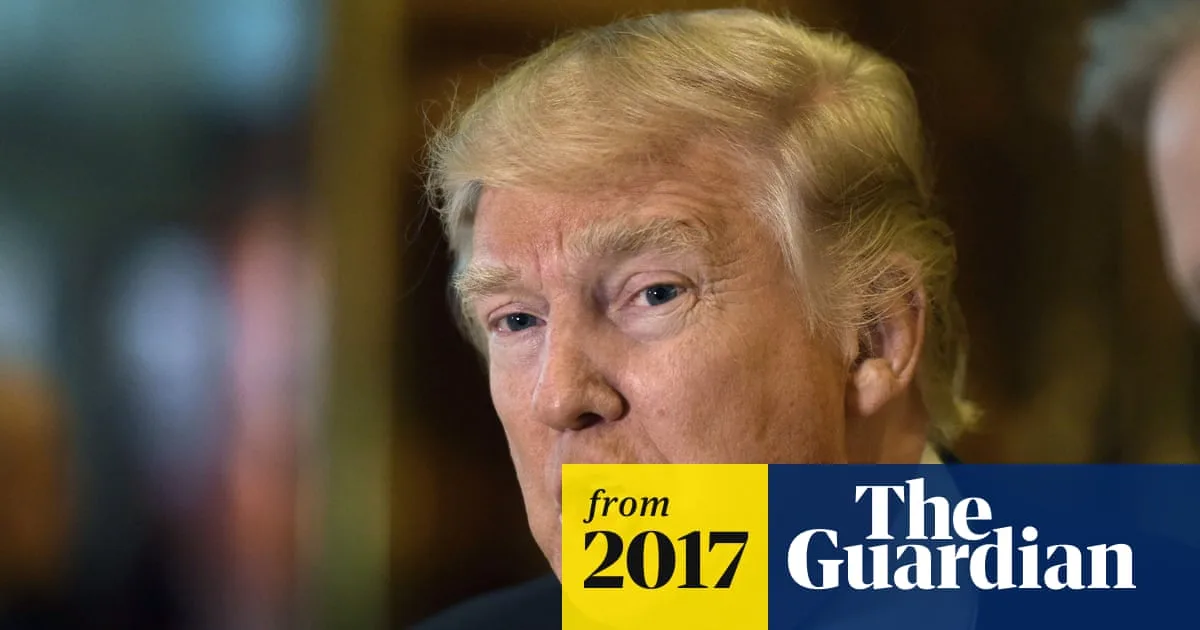
A dossier passed to FBI director James Comey by Senator John McCain contains lurid allegations about President-elect Donald Trump’s links to Russia. The document claims the Kremlin has been cultivating Trump for at least five years, supplying him with intelligence on political rivals and assembling compromising material from a 2013 visit to Moscow.
The dossier, compiled by a former British intelligence officer, alleges that Russian spies obtained kompromat – compromising sexual material – from Trump’s stay at the Ritz Carlton hotel in Moscow. It states that the FSB, Russia’s spy agency, “has compromised Trump through his activities in Moscow sufficiently to be able to blackmail him”. Trump has denied the claims, calling them “fake news”.
The document also details an alleged “extensive conspiracy” between Trump’s campaign team and the Kremlin, and claims Trump’s personal lawyer, Michael Cohen, met Russian officials in Prague. Cohen has denied the allegation. The dossier relies heavily on anonymous sources, including a “senior Kremlin official” and a “former top level Russian intelligence officer”.

Critics point to the difficulty of obtaining reliable intelligence from Russia’s tightly controlled security establishment. US diplomats in Moscow have struggled to find good sources, and the dossier’s sourcing is considered one of its weakest aspects. Putin’s spokesman, Dmitry Peskov, has denied that Russia collects compromising material, though previous cases such as the 1999 Skuratov affair suggest otherwise.
The geopolitical sections of the dossier are largely accepted as accurate, describing Putin’s desire to weaken Western alliances and challenge US hegemony. However, the salacious sexual allegations about Trump remain unsubstantiated, and it is unclear whether the FSB ever obtained such material. The truth may never emerge unless Putin leaves office or falls out with Trump.