Winning the Eurovision Song Contest can be the pinnacle of a singer's career, but for some, the glitter fades quickly. Since 1956, acts have competed to impress European viewers, with results often controversial and accusations of political voting. While some winners achieve global fame, others slip into obscurity.
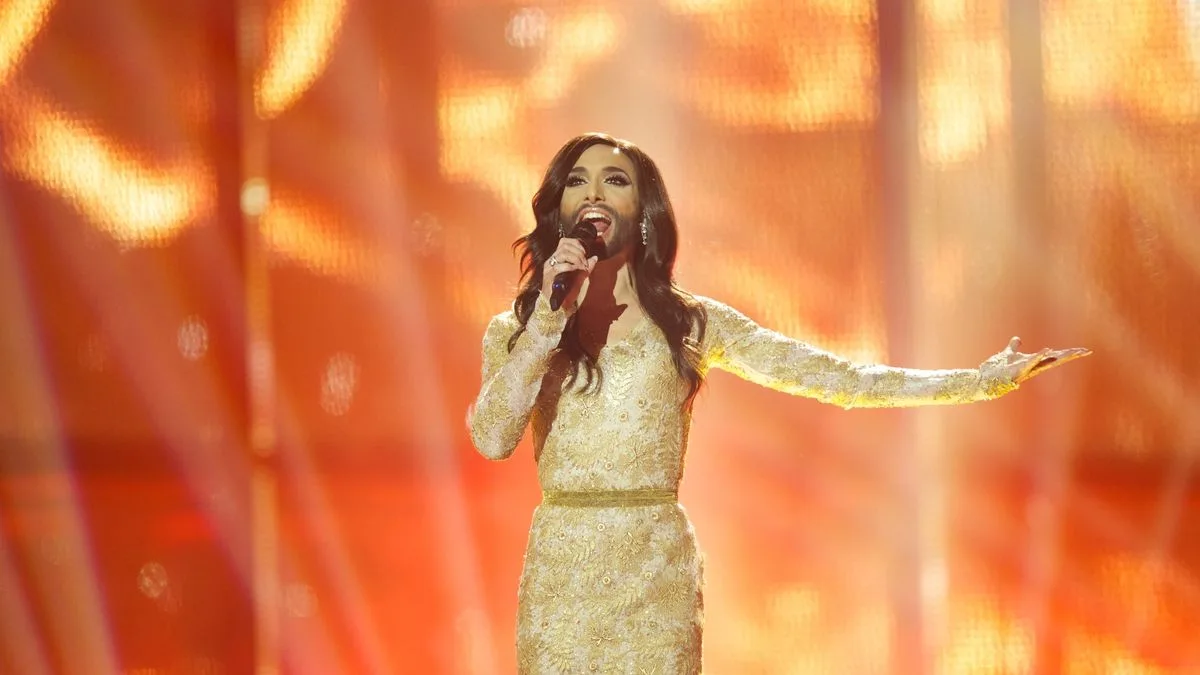
Conchita Wurst, the Austrian drag queen who won in 2014 with 'Rise Like a Phoenix', became an LGBTQ icon and performed at the United Nations Office in Vienna. She has since released an album, performed at the Sydney Opera House, and served as a judge on 'Queen of Drags'. In 2018, she revealed she is HIV positive, saying she went public after an ex-boyfriend threatened to leak the information.
Finnish monster rock band Lordi, surprise winners in 2006 with the highest points score at the time, saw their song chart across Europe, the USA, and Japan. They continue to tour and have released ten studio albums, never removing their spooky masks.

Celine Dion, who won for Switzerland in 1988 by just one point, went on to become a global superstar. She learned English, released hits like 'My Heart Will Go On', sold over 200 million albums, and won five Grammys. After a Las Vegas residency, she is due to return in 2021.
Bucks Fizz, winners in 1981, experienced an awkward split. Other winners have faced less glamorous fates, with some reportedly working in supermarkets like Tesco after their moment in the spotlight faded.
This year's contest returns after a 2020 cancellation, with James Newman representing the UK. He hopes to follow in the footsteps of past winners, but as history shows, success can be fleeting.