
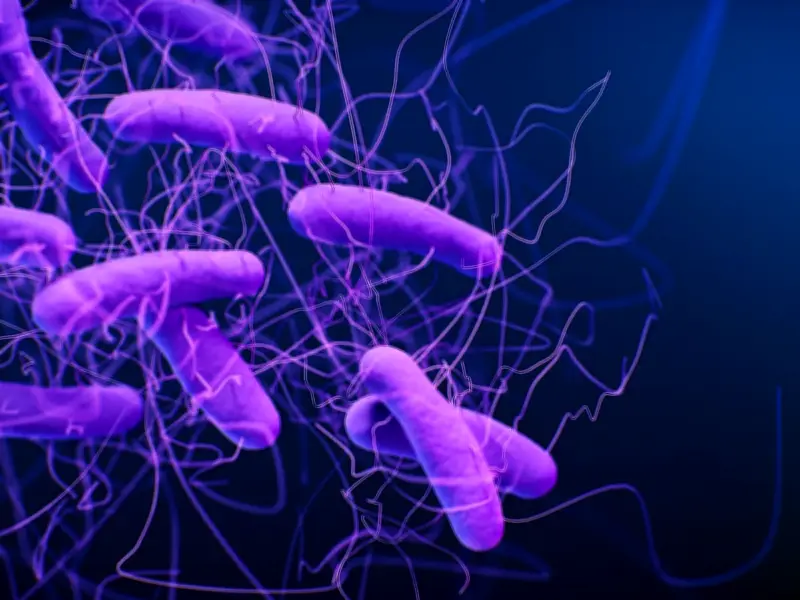
Health officials have provided an explanation for a mysterious parasite causing 'explosive' watery diarrhoea that has infected over 300 people in the United States and been detected in 16 European countries. The microscopic parasite Cyclosporiasis, found in human faeces, has triggered an outbreak across multiple US states since May, with the World Health Organisation monitoring the situation closely.
Outbreak Scope and Hospitalisations
According to the US Centres for Disease Control and Prevention (CDC), the parasite has been on the rise since May, with 20 infected individuals hospitalised so far. No deaths have been reported, and the parasite is not considered deadly. However, the source of the outbreak remains unknown. The CDC classifies Cyclosporiasis as a type of food poisoning that leads to diarrheal illness.
Symptoms and Vulnerable Populations
Cyclosporiasis can cause severe abdominal cramping, bloating, nausea, fatigue, and significant weight loss. It affects individuals with compromised immune systems more severely. The CDC notes that previous outbreaks have been linked to imported fresh produce such as raspberries, basil, snow peas, mesclun lettuce, and cilantro contaminated with the parasite.
Seasonal Patterns and Transmission
The official outbreak season for Cyclosporiasis runs from May 1 through August, coinciding with warmer temperatures that historically see a spike in infections. The CDC warns that the current summer heatwave could be increasing case numbers. The parasite typically takes one to two weeks outside the human body to become infectious, making human-to-human transmission extremely unlikely.
Resistance to Chlorine and Swimming Pools
Vern Carruthers, a microbiology and immunology professor at the University of Michigan, explained that the parasite's resistance to chlorine poses a risk in swimming pools. He stated: 'You have someone or even a child who is in the pool; they’ll release it into the water, and because it is so resistant to being killed by chlorine, people who are just ingesting that water have a chance of getting it (Cyclosporiasis).'
Treatment and Prevention
Doctors say that while the illness can clear up on its own, it often requires antibiotics. Severe cases may necessitate hospital stays and a full course of antibiotics. Health experts advise avoiding food or water potentially contaminated with faeces, and recommend consistent hygiene and safe food-handling practices to reduce the risk of infection.
Affected US States
The CDC has reported cases in the following states: Alaska, Colorado, Connecticut, Florida, Georgia, Illinois, Louisiana, Massachusetts, New Jersey, New York, North Carolina, Ohio, Pennsylvania, Tennessee, Texas, Virginia, and Wisconsin.




