Richard Desmond Faces £70 Million Legal Bill After Losing National Lottery Court Battle
Desmond Faces £70M Bill After Losing Lottery Court Case

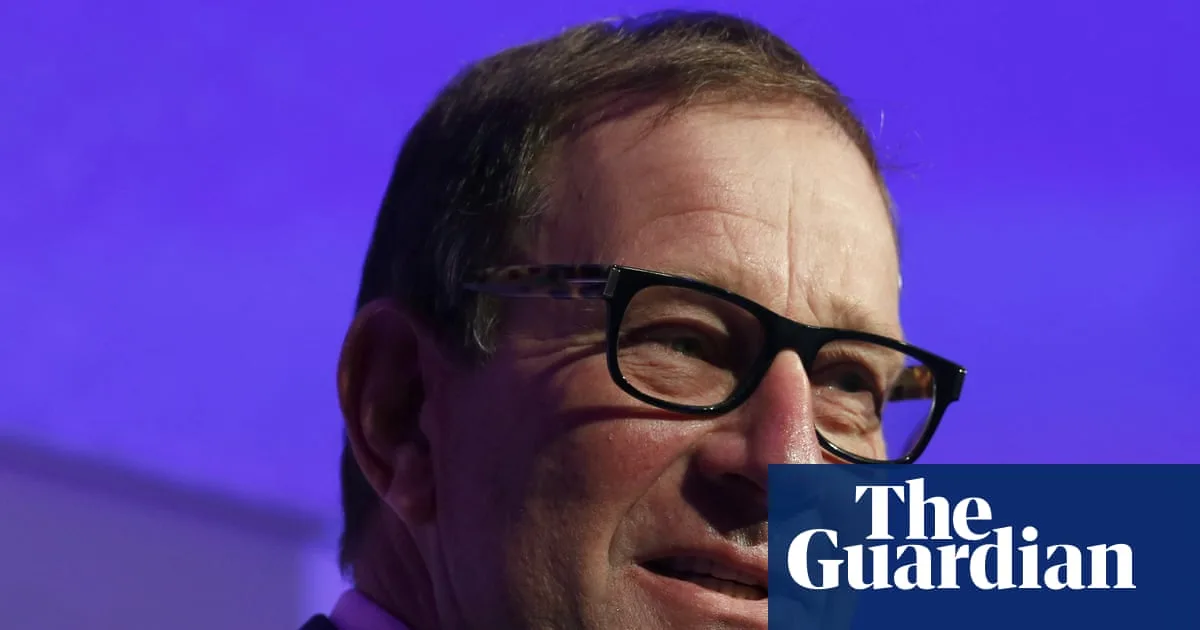
Billionaire media mogul Richard Desmond and his associated lottery companies are confronting a staggering legal bill estimated to run into tens of millions of pounds, following a decisive defeat in the High Court. Mr Desmond had launched a claim demanding £1.3 billion in compensation, alleging that the competition to operate The National Lottery was conducted unfairly. Had his lawsuit succeeded, it could have burdened British taxpayers with hundreds of millions in potential costs.

A Costly Legal Defeat

In a ruling delivered today, Mrs Justice Joanna Smith emphatically rejected the claims brought by Mr Desmond's firm, The New Lottery Company (TNLC), and its parent company Northern & Shell. The judge stated that TNLC had 'failed to establish any aspect' of its case, noting there was 'really no basis whatever' for the allegations of unfairness in the bidding process. This legal showdown stemmed from the 2022 competition for the lucrative 10-year licence to run The National Lottery, a contract often described as Britain's largest public sector agreement.

The Bidding Process and Allegations

The National Lottery, a fixture of British life since its inception in 1994, was operated by Camelot for three decades until the licence changed hands for the first time. In 2022, the Gambling Commission awarded the contract to Allwyn, which commenced operations in 2024. Mr Desmond's consortium finished third in the competitive bidding process. During a High Court trial last year, they argued that 'manifest errors' had occurred, seeking £1.3 billion in damages for purported lost profits over the licence period.

Wide Pickt banner — collaborative shopping lists app for Telegram, phone mockup with grocery list

However, Mrs Justice Smith's damning assessment highlighted 'numerous deficiencies' in TNLC's bid submission. She revealed that the company had failed over half of the mandatory requirements necessary to qualify for running the lottery. The judge further clarified that TNLC 'trailed far behind Allwyn and Camelot in their scores' during the evaluation phase, concluding: 'The claimants have failed to establish that TNLC had any real chance of winning the competition.'

Substantial Financial Repercussions

Legal experts understand that the costs associated with this High Court drama are approximately £70 million. As the losing party, Mr Desmond and his companies are now likely responsible for footing this enormous bill. Despite the setback, a spokesperson for Northern and Shell indicated an intention to continue the fight, stating: 'They won. We lost. We appeal. It's not over.'

In her comprehensive ruling, the judge also criticised TNLC for the 'apparently unfocused manner' in which it presented its case, describing the approach as a 'moveable feast' that was 'regrettable and, given the legal resources available to the claimants, inexcusable.'

Regulator and Industry Response

The Gambling Commission, which was sued by Mr Desmond's companies, welcomed the judgment. Andrew Rhodes, chief executive of the commission, maintained that awarding the contract to Allwyn was the result of a 'fair, open and robust' process. Barristers representing the regulator informed the court that TNLC had failed in two critical pass/fail areas: protecting participants' interests and demonstrating sufficient financial strength. Sarah Hannaford KC, acting for the commission, noted that even if TNLC had passed these hurdles, it would not have secured the bid, as it scored 30% lower than Allwyn.

Allwyn, which participated as an interested party in the legal proceedings, stated that the ruling 'draws a line under a long-running series of allegations about the integrity of the competition process.' The company added: 'The judgment provides clarity and legal certainty, and our focus now is on delivering for players and increasing funding for good causes.'

Future of The National Lottery

The National Lottery, described by the judge as 'something of a national institution,' has raised more than £50 billion for charitable causes since its launch. The commission emphasised that the judgment 'gives resounding support to good causes by enabling Allwyn, with oversight from the commission, to continue with their plans of investment in the National Lottery without further distraction.'

Pickt after-article banner — collaborative shopping lists app with family illustration

This legal decision arrives shortly after Allwyn announced its 'biggest ever' modifications to the main Lotto draw, alongside the introduction of a new UK version of Powerball. This game, previously exclusive to the United States, is set to become the country's first '£1 billion-plus mega-jackpot game,' marking a significant evolution in the lottery's offerings.