BBC's Swift Action After Whistleblower Claims Trigger 48-Hour Panic
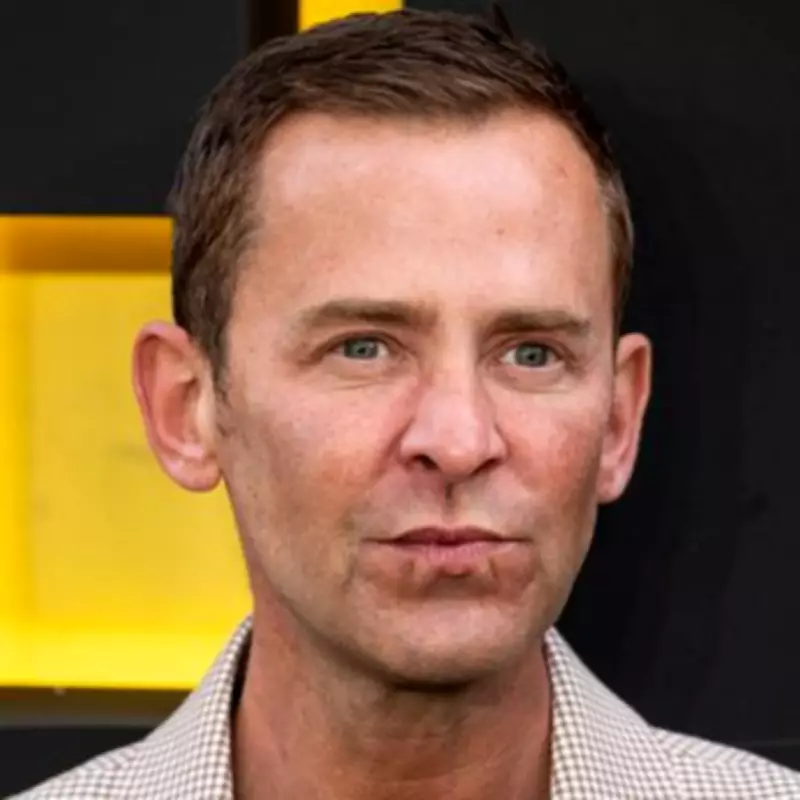
Fresh scrutiny has emerged over the BBC's handling of allegations against former Radio 2 presenter Scott Mills, as it is revealed the corporation failed to investigate claims made a year prior to his sudden dismissal. The Mirror delves into the whistleblower's accusations and the intense 48-hour period of crisis talks that culminated in Mills' contract termination, leaving colleagues and listeners in shock.
Historic Allegations and Unanswered Questions
The Metropolitan Police launched an investigation into Mills in December 2016 following a referral from another force regarding allegations of serious sexual offences against a teenage boy, reported to have occurred between 1997 and 2000. At the time, Mills was in his 40s, with the first alleged incident taking place when he was around 24 and working at Heart FM before joining BBC Radio One a year later.
The teenage boy was under 16 at the time of the alleged offences. Mills was questioned in 2018, but the investigation closed in 2019 after the Crown Prosecution Service found insufficient evidence to bring charges. In May 2025, a former presenter contacted the BBC about alleged "inappropriate communications" involving Mills, but received no response. The BBC has since apologised for not following up on this complaint.

It has since emerged that the BBC knew about the police investigation as early as 2017. In a statement, the corporation confirmed awareness of the ongoing investigation, which closed in 2019 with no arrest or charge, and pledged to understand the details of what was known at the time.
Tense Crisis Talks and Decisive Action
Hours before his final show, Mills attended a "tense" crisis meeting with BBC executives. Sources indicate the BBC sacked Mills within five days of receiving a new complaint, with the corporation stating it acted "quickly and decisively" after obtaining compelling new information in the weeks leading up to the dismissal.
A BBC spokesperson explained, "Scott Mills had a long career across the BBC; he was hugely popular, and we know the news this week has come as a shock and surprise to many. We hope people understand that there is a limit to what we can say because we have to be mindful of the rights of those involved. What we can confirm is that in recent weeks, we obtained new information relating to Scott, and we spoke directly with him. As a result, the BBC acted decisively in line with our culture and values, and terminated his contracts on Friday, March 27."
The Mirror reported on April 1 that the BBC was forced to terminate Mills' contract after receiving this new information, which the BBC later confirmed. The new information involves the same person but differs from the earlier claims of serious sexual offences.
Final Broadcast and Sudden Departure
On March 24, Mills presented what would be his last show, signing off with, "I'm getting everything mixed up today. I should probably go. I'll try again tomorrow." This suggested he either believed he would return or was maintaining normality for listeners. He joked with Vernon Kay about being "oiled up and hairless" during a chat, declaring, "I'm back tomorrow."
However, the next morning, colleague Gary Davies filled in without explanation, alarming fans. Mills was informed over the weekend that his contract had been terminated, and the BBC updated the complainant following the dismissal.
Colleague Shock and Public Fallout
On March 30, the Mirror broke the news of Mills' firing shortly before BBC colleagues were informed via email. Staff were left "shell-shocked," with audible gasps at Broadcasting House. Director of Music Lorna Clarke emailed colleagues, acknowledging the sudden and unexpected nature of the departure and promising updates on the show's future.
News led the 12pm bulletin on BBC Radio 2, where Jeremy Vine told listeners he was "taken aback" and had only learned of it 17 minutes prior. The scandal has sent shockwaves through the UK, with many loyal listeners stunned. The BBC faces reputational challenges, especially following the Huw Edwards scandal. Some speculate the Channel 5 drama "Power: The Downfall of Huw Edwards" may have prompted the accuser to come forward.

Celebrity crisis PR expert Mayah Riaz commented, "Behind closed doors, there will almost certainly be conversations happening about culture, oversight and escalation. These moments force organisations to confront uncomfortable questions, not just about individuals but about systems. The real risk for the BBC is the perception of a familiar pattern again." She added that in today's fast-moving world, silence can be seen as avoidance, and audiences expect clarity.
Mills' Response and Current Situation
Mills, who had proudly taken over the Radio 2 Breakfast Show from Zoe Ball last year, is now said to be "facing oblivion." A friend described him as distraught, noting, "The show was his life and he is facing oblivion. It’s hard to see how he comes back at this moment in time." Friends were left in the dark about the sacking, with some struggling to reach him.
In a statement via his lawyers on March 31, Mills thanked well-wishers and addressed the police investigation, confirming it related to him and noting the CPS found insufficient evidence for charges. He expressed hope that the public and media would respect his wish not to comment further on the nearly 30-year-old allegation.
After the scandal, Mills reportedly fled his London home to stay with his mother in Sussex, keeping a low profile before returning to the capital. A source described him as "very solemn" upon his return.
The Metropolitan Police reiterated their statement, confirming the investigation's closure in 2019 after the CPS determined the evidential threshold was not met. The BBC continues to navigate the fallout, with ongoing questions about its prior knowledge and response to the allegations.