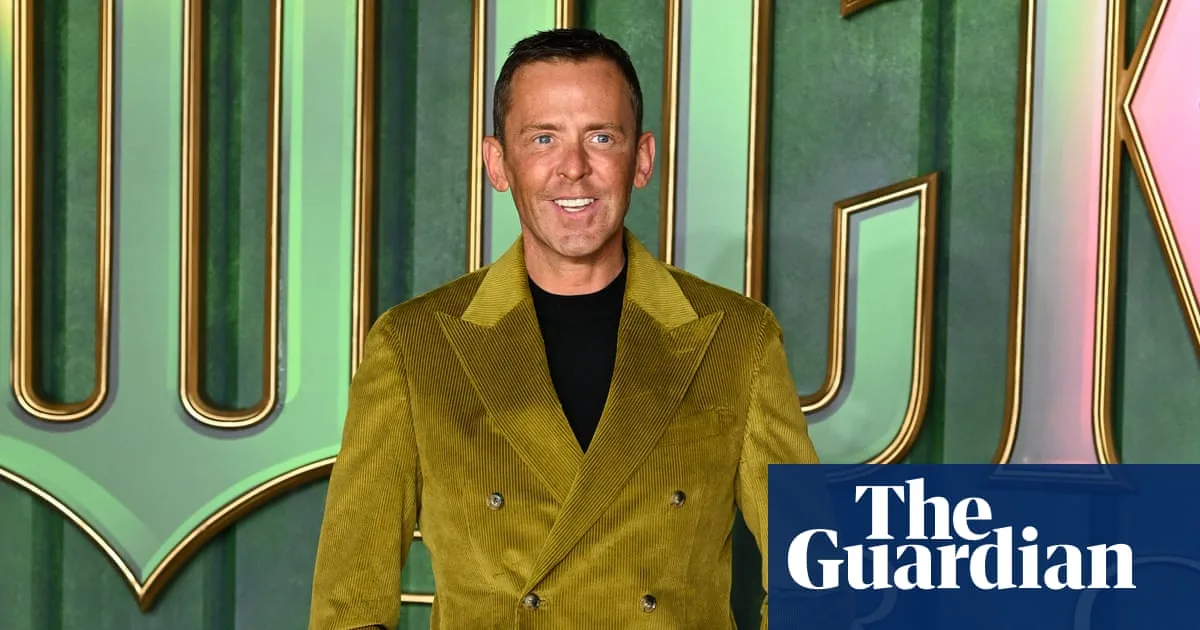
In a valedictory podcast appearance, Tim Davie, whose resignation as BBC director general takes final effect on 2 April, thanked his neighbours for smuggling him out through their gardens when the media were camped outside his house during various BBC scandals. After Monday’s sudden announcement that the Radio 2 breakfast show presenter Scott Mills had been summarily sacked over a so-far unspecified failure of “personal conduct”, Davie may be relieved that he has only three more days of running with his head ducked past next door’s rhododendrons.
It seems unlikely, though, that Davie would have taken this dramatic decision without consulting Rhodri Talfan Davies, who takes over as the interim DG from Friday until 18 May, when the former Google boss Matt Brittin assumes the job permanently. The aim of announcing Mills’s departure this week may be to isolate it as the last furore of the Davie regime and leave his successors a clean copybook to blot. Certainly, the decision seems to have been taken with considerable speed.
At 9.30am last Tuesday, Mills told his Radio 2 listeners (6.5 million weekly, according to quarterly ratings released last month) that he would be back at 6.30am on Wednesday to resume the breakfast show he has hosted since January 2025. When the Radio 2 super sub Gary Davies depped for the rest of the week, the audience may have assumed flu. Very unusually when presenters are under investigation, as we must assume Mills to have been since at least last Tuesday afternoon, there is no evidence of prior gossip inside or outside the BBC, making the sudden departure and “sacking” truly shocking.
BBC departures in this manner are startlingly rare. While Jeremy Clarkson (for hitting a colleague who brought him an unsatisfactory supper) and Gary Lineker (for reposting an image with antisemitic connotations) were in effect sacked from Top Gear and Match of the Day respectively, the press releases used more sanitised language. After allegations severe enough to be career-ending, broadcasters have usually been suspended under investigation, as with BBC Wales’s Wynne Evans and BBC Scotland’s Kaye Adams, whose contracts were cancelled recently over claims of misconduct that they dispute.
While there is already much lurid speculation about what may have happened with Mills, the most serious forms of misbehaviour would paradoxically be less likely to have a rapid resolution. A recent example came when the former News at Ten presenter Huw Edwards was lengthily off air under internal BBC and external police investigations over separate allegations of grooming a young man and receiving indecent images of underage children. Edwards resigned from the BBC and later pleaded guilty at the magistrates court for the latter, receiving a six-month sentence suspended for two years.
As an employer must usually give an employee under judicial suspicion the chance to clear their name while suspended on pay, the Mills case feels very different. Without knowing yet what caused his precipitate fall, it appears that the BBC legal department has taken a very rapid view on the termination of Mills’s contract, which was last known to be worth about £355,000, making him the 11th best-recompensed BBC on-air star. Whatever the reason, it is a sudden and devastating career reverse. While BBC presenters outside the news division are usually on short-term contracts of one to three years in length, Mills – who turned 53 on Saturday – had seemed set to become a freelance “lifer” at the corporation.