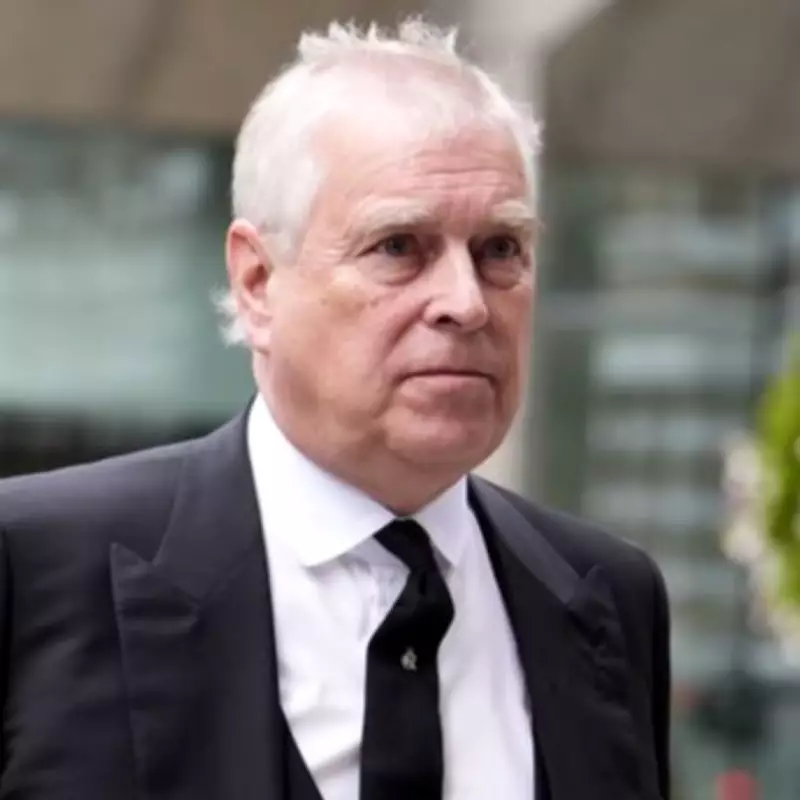
A royal author has claimed that Andrew Mountbatten-Windsor was ultimately removed from public life not because of his controversial BBC Newsnight interview, but after he became a question during an ITV general election debate.
Andrew's Removal from Public Life
Following his November 2019 BBC Newsnight interview, where he discussed his association with convicted paedophile Jeffrey Epstein, Andrew also featured as a question in an ITV general election debate between the then-Prime Minister and the then-leader of the opposition.
According to royal expert Robert Hardman in his book Elizabeth II: In Private, In Public – The Inside Story, it was after this moment that Queen Elizabeth II realised she had no choice but to remove her second son from public life. Hardman states that Andrew had broken the "cast-iron royal rule" that the family should maintain a low profile during general elections.

Hardman wrote: "When he even surfaced as a question in a televised debate featuring party leaders, the Queen knew that she had no option. In tandem with the Prince of Wales, she could see no alternative to Andrew's removal from public life. After all, public duties only work when the public wants to see someone, as they manifestly did not in this case."
Earlier Calls for Andrew to Step Down
This is not the first time Hardman's book discusses Andrew stepping down from a role. He also examines the period between 2012 and 2016, when then-Prime Minister David Cameron informed the Queen that her eldest son had to relinquish his position as an ambassador for British trade.
Lord Cameron told Hardman that he had to gently advise the monarch that the former Duke of York must step down over allegations concerning his relationship with Epstein. Andrew has consistently denied any wrongdoing in connection with Epstein.
Lord Cameron said: "I think I was responsible for gently saying to Her Majesty that he had to stand down as a trade envoy. It was all pretty much fixed. But I was just to reference it for the official log. The Queen was worried about him but she could see the logic."
Cameron also cited other factors, including inappropriate comments Andrew had been making. He added: "It had been getting embarrassing. Andrew kept turning up to things and making terrible remarks. I'd seen it myself at Davos where he was going to his receptions and was just a bit crass. He had his way of doing things and it wasn't what you wanted. He was very good with all the tyrants but he started being opinionated saying we were too squeamish about dealing with these people. His speeches would always just have three or four inappropriate things."