Tuchel Demands More Despite Mexico Victory
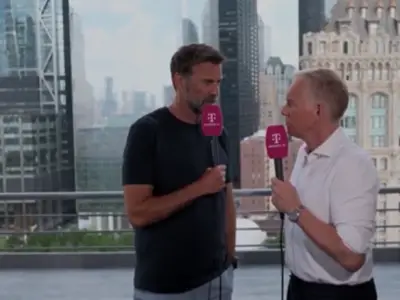
England showcased defensive resolve, clinical finishing, and raw desire in their World Cup match against Mexico at the Estadio Azteca on Monday morning. However, head coach Thomas Tuchel told BBC 5 Live that he still sees room for improvement.
“I still think there’s a disconnect from what I saw yesterday in training, because it was on the highest, highest level and I see this just in glimpses in the game,” Tuchel said. “I'm just on the sideline and I don't feel pressure but I think we can play so much better still, so much better. Because I still feel there’s a disconnect from the football level, from decision-making, from ball speed, from courage on the ball, from eliminating opponents with our passes, from going through gaps – there’s still a disconnect.”
He added: “But in terms of what is loveable about the team as a fan, and the heart that they bring and the sense of belief – it's one of a kind.”

England's Courage on the Ball Under Scrutiny
One area where England have struggled is reliably turning possession into goals, which requires risk-taking at the right moments. Against Mexico, despite playing with 10 men after Jarell Quansah’s 54th-minute red card, England created 1.81 expected goals (xG) from just 220 passes, according to Machine Football’s database. Excluding Harry Kane’s penalty, that equates to 0.48 non-penalty xG per 100 passes – the second-highest score of any England performance at the tournament, behind only the opener against Croatia.
However, England have struggled to create clear-cut chances when dominating the ball. In the 0-0 draw against Ghana, England recorded their highest number of passes (623) but managed only 0.26 xG per 100 passes. Against Ghana and Panama, England played their most final balls (11 and 12 shot assists respectively), but the quality was poor: each shot assist against Ghana was worth just 0.15 xG, and 0.17 against Panama.
Drop in Possession, Rise in Quality
When England have less possession, the quality of chances improves. Against Croatia, England played their second-lowest number of passes (456) but generated the highest number of shot assists per 100 passes (2.4) at the World Cup. This pattern highlights that carving out chances is harder against a low block and easier in transition. Norway in the quarter-final will offer a different challenge, but England are expected to have more possession and must find ways to split defences.
Penetration Issues in the Final Third
England have been effective at progressing the ball to the edge of the opposition box but lack penetration once settled in the final third. Across five tournament games, England have completed just four through balls and four ‘smart passes’ – defined as creative, penetrative passes that deliberately break a defensive line. Most possession-based teams average several such passes per game. Against Ghana and Panama, where England had high passing volume, they managed zero and one through ball respectively.
Set against England’s 303 lateral passes against Ghana (nearly 50% of their total), this indicates sterile domination. Against Croatia and Mexico, where England had less time on the ball, they recorded one and zero through balls respectively, because there was more space to run into on the transition.
Key Players and Tactical Adjustments
Morgan Rogers leads England for through balls with two despite only 160 minutes of playing time. Elliot Anderson has played more than double the number of passes into the final third per 90 (10.5) than any other player. Declan Rice’s final-third passes per 90 sits at just 2.6. Jude Bellingham, despite scoring four times, has played only one through ball across five matches.
Tuchel specifically mentioned “eliminating opponents” and “going through gaps” as areas needing improvement. Against a low block, England lack a reliable means of manufacturing line-breaking passes.

Should England Play to Their Strengths Against Norway?
Norway dominated possession against Brazil (66%) but created just 1.05 xG. Erling Haaland needs few chances to score, and Norway are prepared to be patient. If England dominate the ball but struggle to break through, a direct ball to Haaland could end their tournament. Instead, England could look to contain Norway by starting aerial defending experts like John Stones or Dan Burn, then hit them on the break – where England have been lethal.
This transition ability is England’s most reliable route to goal and could be crucial in the latter stages. As Tuchel noted, the team’s heart and belief are “one of a kind,” but tactical refinement remains necessary.